
Home Our Work About Contact Call (843) 385-1090
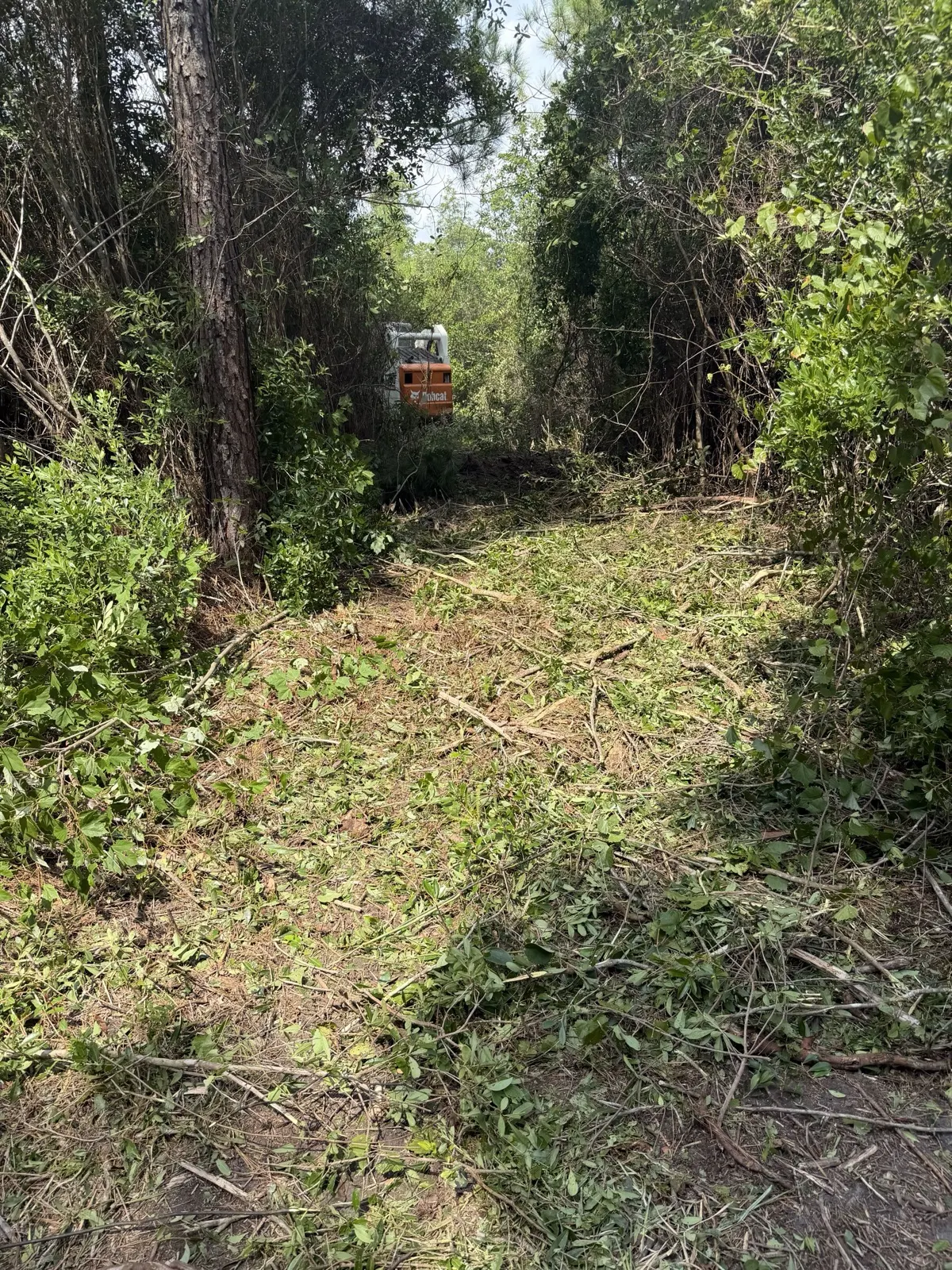
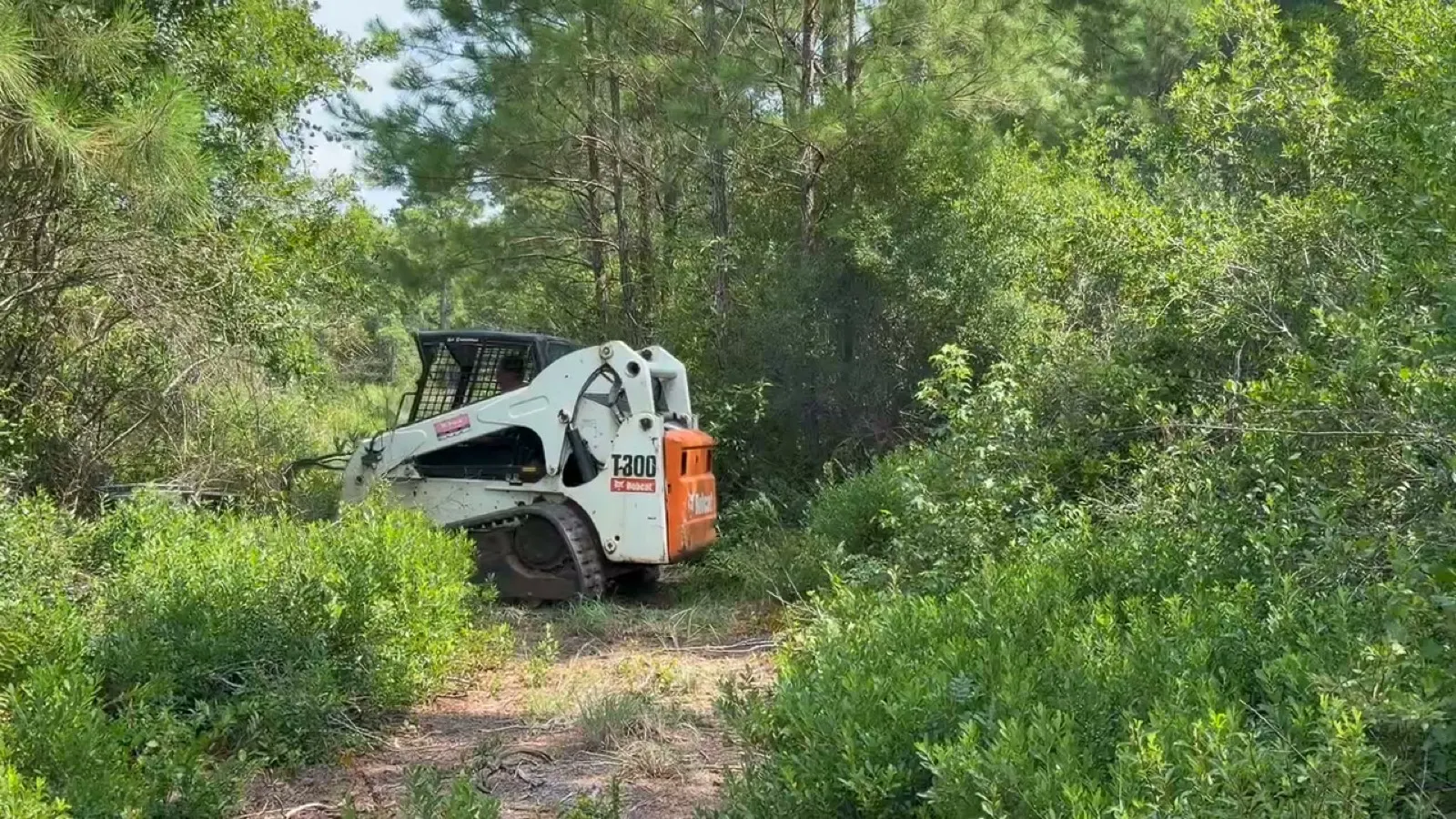
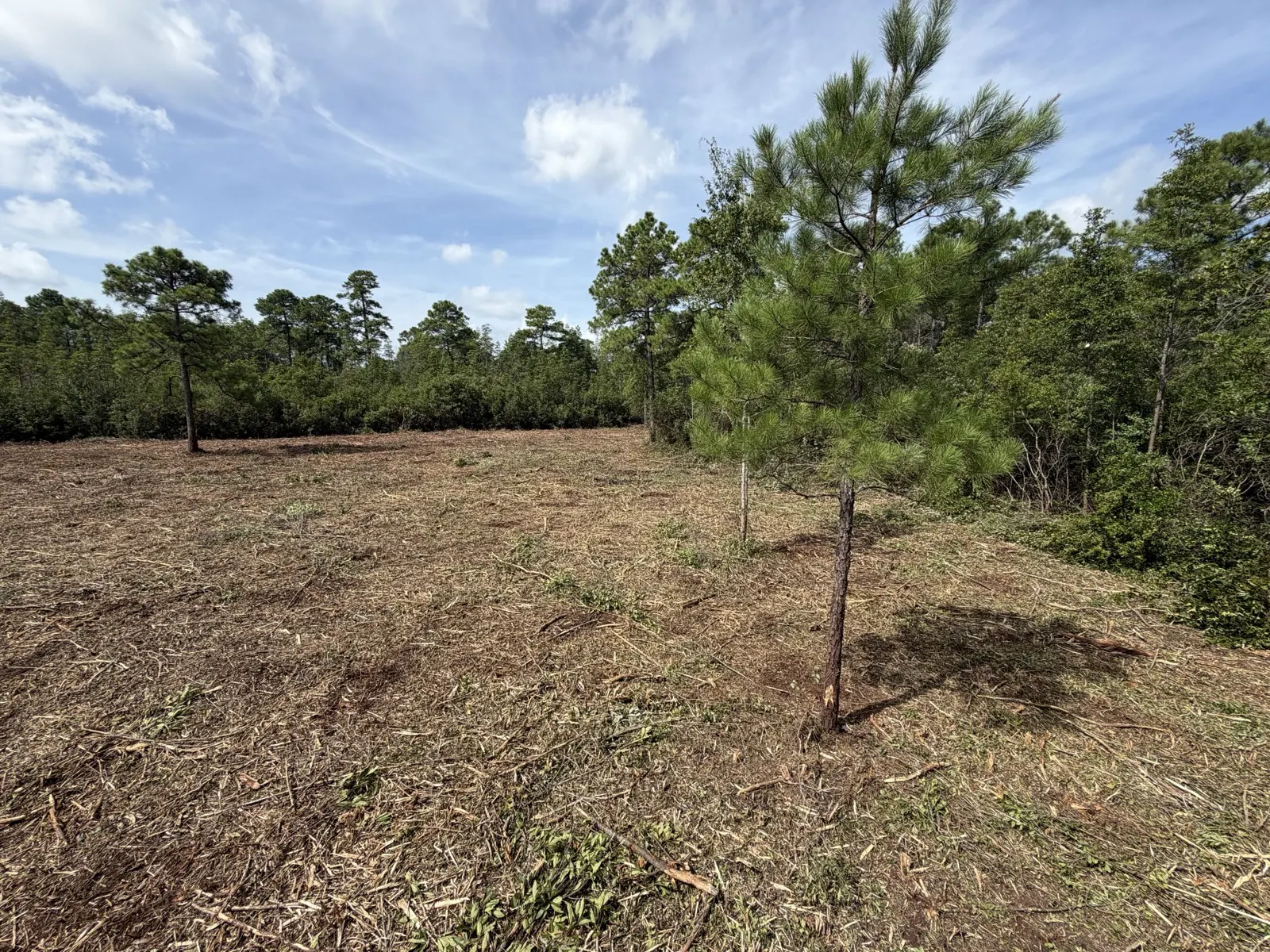
Forestry mulching in Conway has to respect water. The town sits on the west bank of the Waccamaw, a blackwater river that holds high water long after a storm, and much of the land around it stays soft. Our Bobcat T300 rides rubber tracks that spread its weight, and the mulcher head grinds scrub oak, sweetgum, briars, and young pine where they stand. The growth becomes a chip layer that stays on your ground.
That method suits this soil. There is no scraped bare dirt to wash toward a ditch, no burn pile waiting on weather, and no trucks hauling your topsoil away with the debris. Category 5 Land Management is based in Longs, about 18 miles out. The broader method, machine and all, is covered under what forestry mulching covers.
Tell us about your land — we’ll get right back to you.
The river gauge at Conway hits flood stage at 11 feet, and low parcels around Lees Landing and Savannah Bluff have been under water in recent storm years. Ground like that punishes heavy wheeled equipment. Tracks and a light footprint are the difference between clearing a tract and rutting it. When ground is too soft even for tracks, we shift the date instead of forcing it.
Mulched ground also behaves better through the next storm. The chip layer holds sandy soil in place while bare cleared dirt washes. On river-adjacent land that matters every time the Waccamaw comes up. The work you pay for stays put.
Land around Conway carries its history. Old tobacco and corn ground sits south of town near Toddville and along US 701, and planted pine tracts run toward the river. Ground that sat idle for a decade comes back as scrub oak, sweetgum, and briar tangle that a mower cannot touch. The mulcher head takes it back down to open, walkable land.
On planted pine tracts, mulching the understory opens the rows without harming the standing timber. Hunters use the same cut for lanes and access. Once a reclaimed field is open, keeping it open is cheaper with bush hogging in Conway a couple of times a year, and grazing ground goes back in grass through pasture reclamation work.
Conway grew from about 17,100 people in 2010 to about 24,800 in 2020, and subdivisions keep filling in along US 501 and the SC 90 corridor toward Red Hill. New owners in those corridors buy wooded lots that need a homesite opened, a driveway line cut, or the back half made usable. Mulching does that without stripping the lot down to sand.
Single building lots inside a subdivision are their own kind of job, covered under opening a single building lot. For everything else we do around town, from clearing raw acreage on down, see our Conway page. Send the address and we will come look at it free.
Free, no-obligation estimates across Conway and the Grand Strand, both sides of the SC/NC line.
(843) 385-1090From the first call to the last pass of the mulcher, here is exactly how it goes.
Tell us where the property is and what you want the ground to do. We set a time to come look at it.
We come out, look at the growth and the ground, and talk through what the job takes. The estimate is free and it is a real number.
The Bobcat T300 grinds brush and small trees into chips where they stand. No burn piles, nothing hauled off your land.
Clean, walkable ground with a mulch layer over it. Ready to mow, plan on, fence, or just look at without the overgrowth.
Common questions about forestry mulching around Conway. Don't see yours? Give us a call and ask.
A local land clearing company based in Longs, working both sides of the state line. Free on-site estimates, and the same machine and process on every job.
The forestry mulcher grinds growth into chips where it stands. No burn piles to permit and watch, no dump trucks, and the ground cover stays on your land.
We look at the property before we price it. You get a real number for the job as it stands, before any work starts, and the estimate costs you nothing.
A tracked machine on flat, sandy coastal plain with a high water table. It rides where wheels sink, and we work both sides of the SC/NC line.
Published cost guides put forestry mulching near $300 to $2,500 per acre in South Carolina. Here is what density, access, and tract size do to the number.
Read more →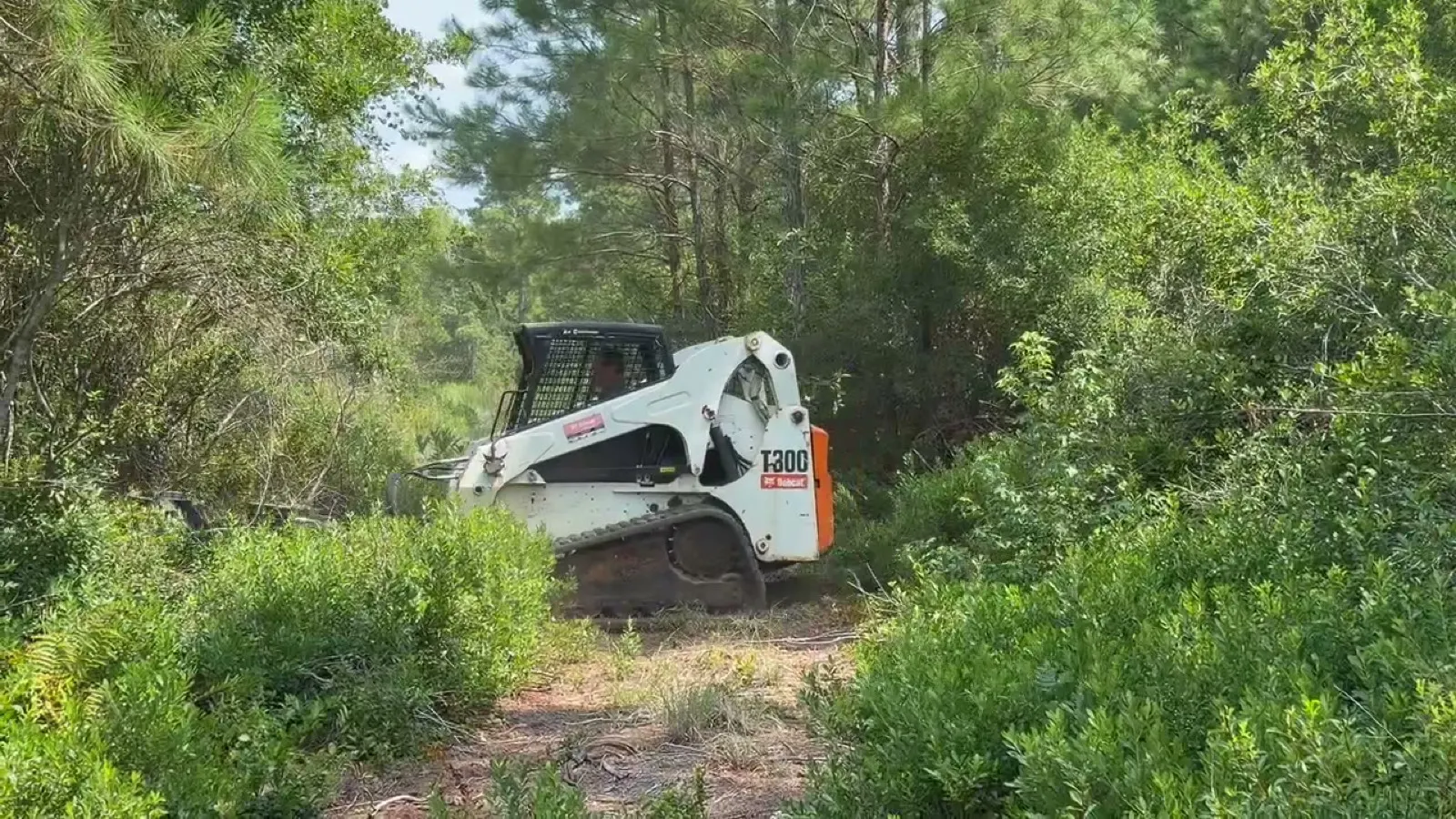
Forestry mulching grinds brush into mulch on site. Traditional clearing digs the stumps out. Here is which one your Horry County SC property needs.
Read more →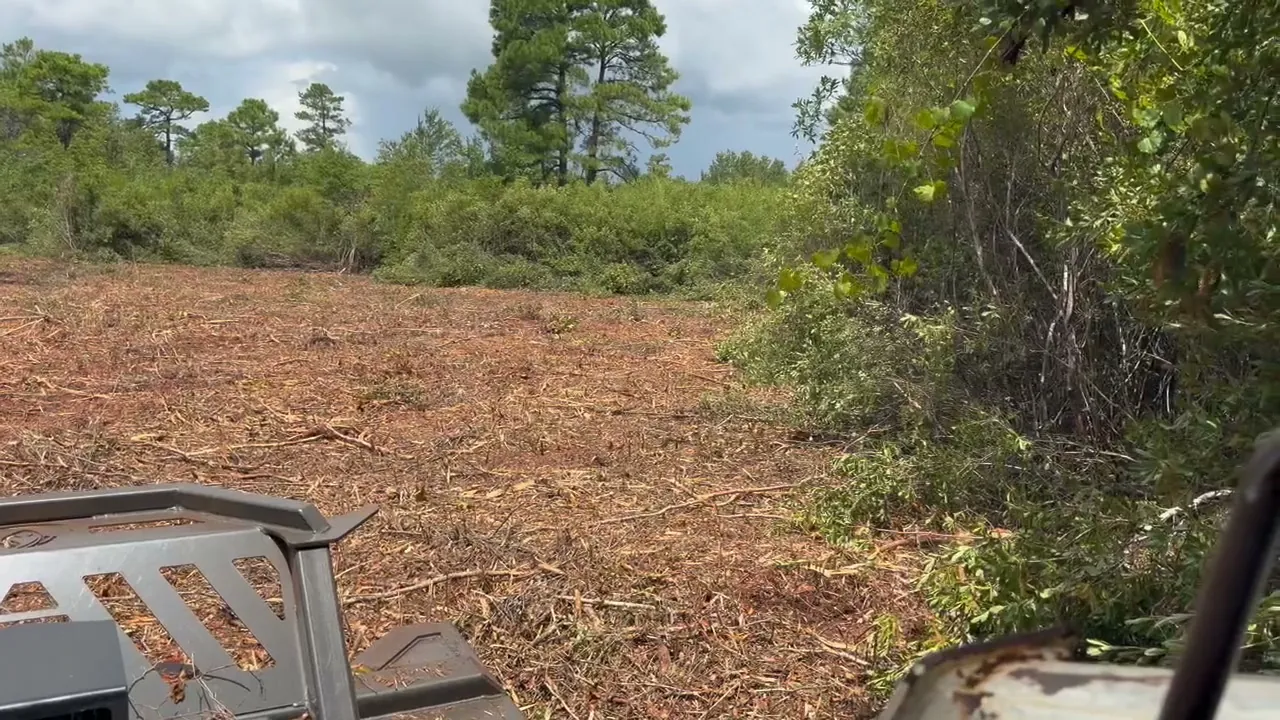
Published guides put brush clearing near $330 to $630 an acre for brush-only ground and $800 to $1,800 for light brush. Here is what moves the cost in SC.
Read more →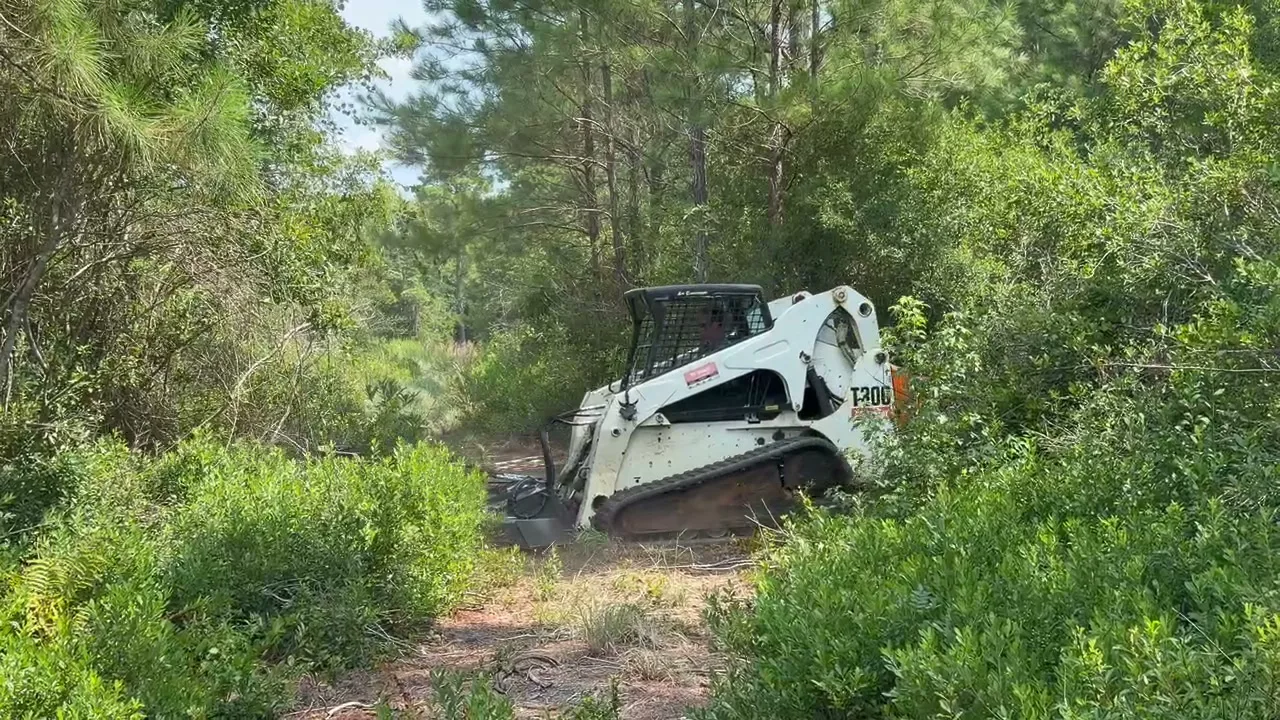
Wetlands on a South Carolina lot are a federal call. How to read the maps, what a delineation costs, who issues the permit, and what you can still clear.
Read more →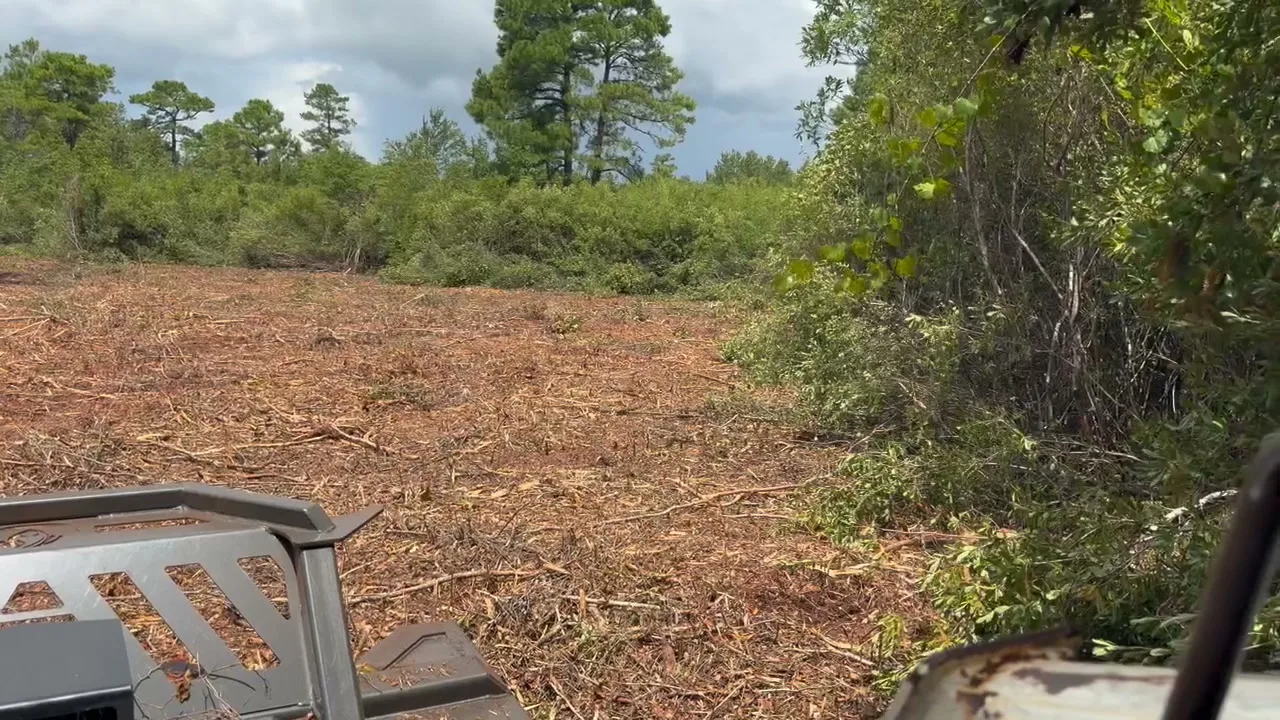
South Carolina has no single land clearing permit. What you need turns on acres disturbed, protected trees, wetlands, burning and your county or town.
Read more →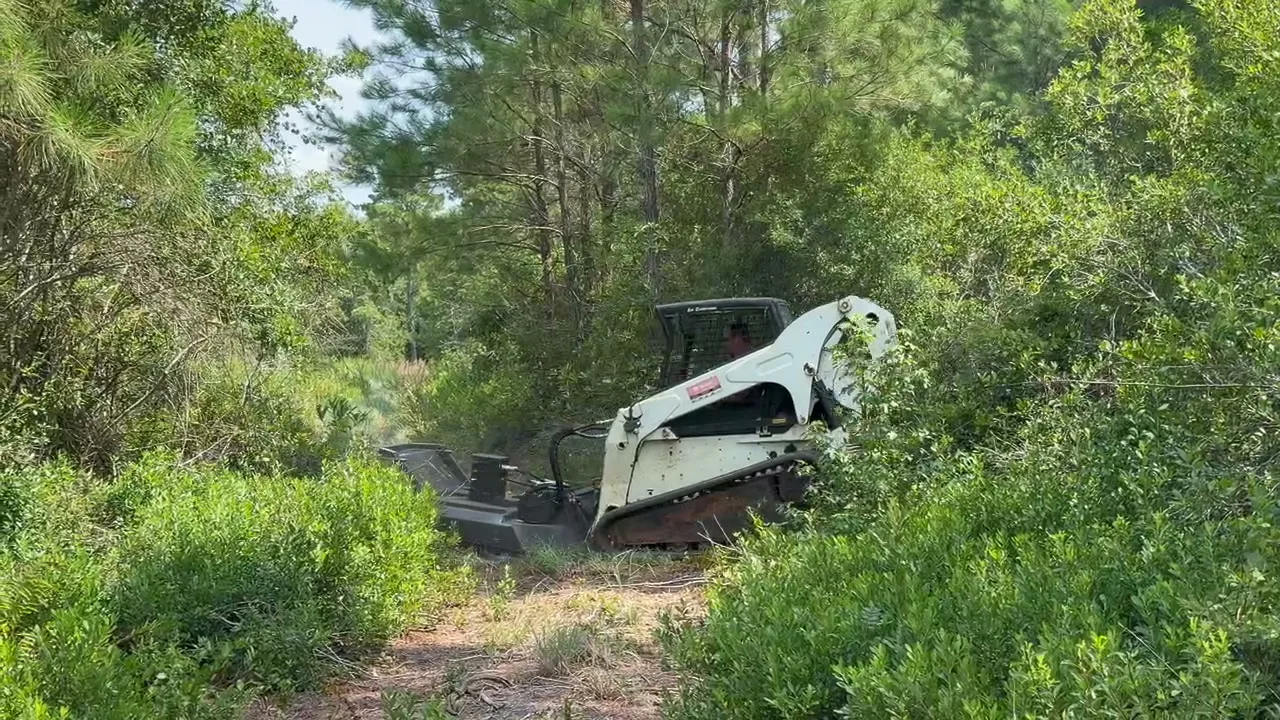
With a compact track loader and mulcher head, a light acre clears in hours and a thick acre can take days. Here is what sets the pace and what slows it.
Read more →An overgrown lot, a field that got away from you, a fence line you can't see anymore? Call or send the form. We come look at the property, talk through what you want the ground to do, and price the job before any work starts. Estimates are free.
Tell us about your land — we’ll get right back to you.