Home Our Work About Contact Call (843) 385-1090
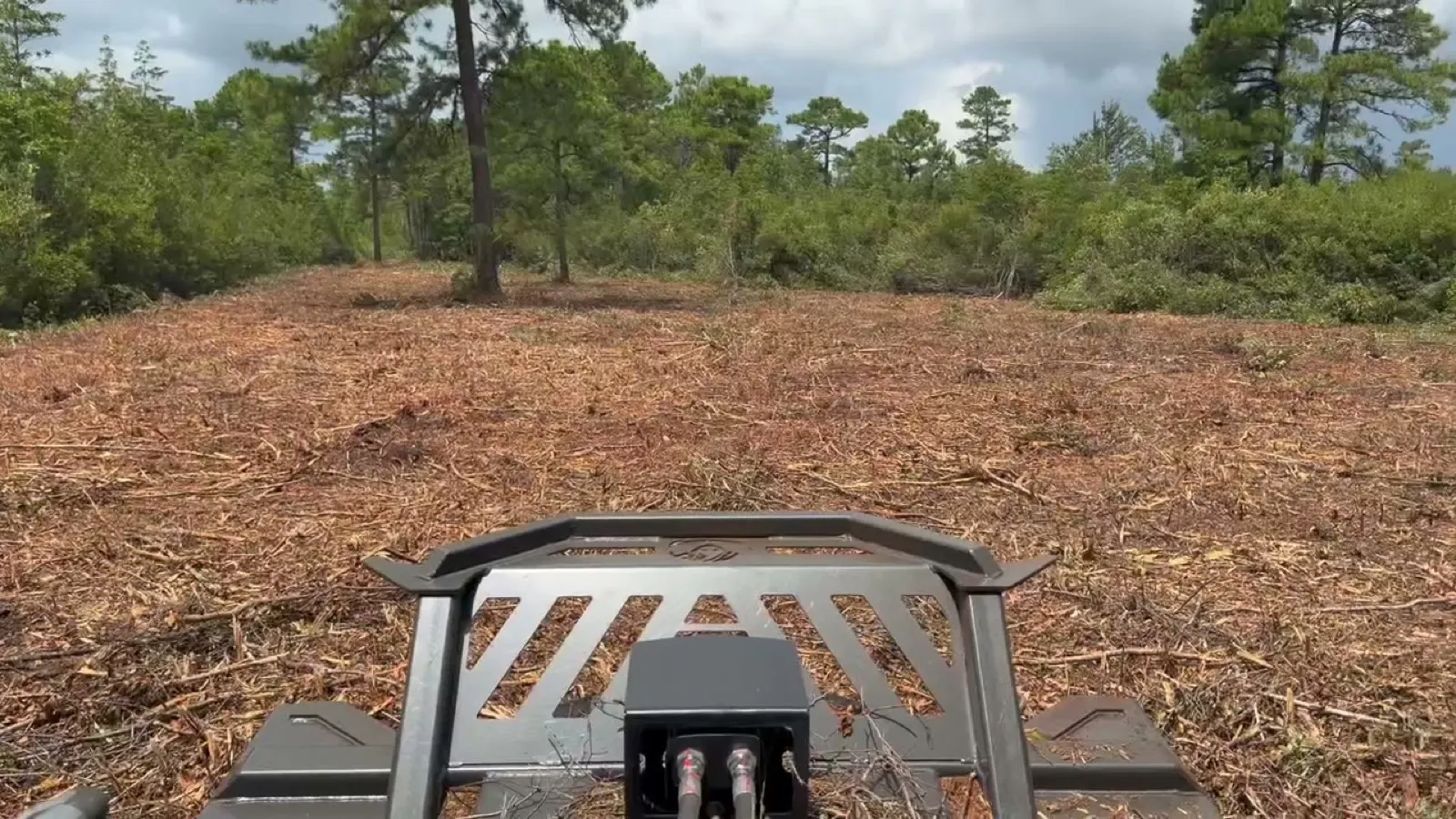
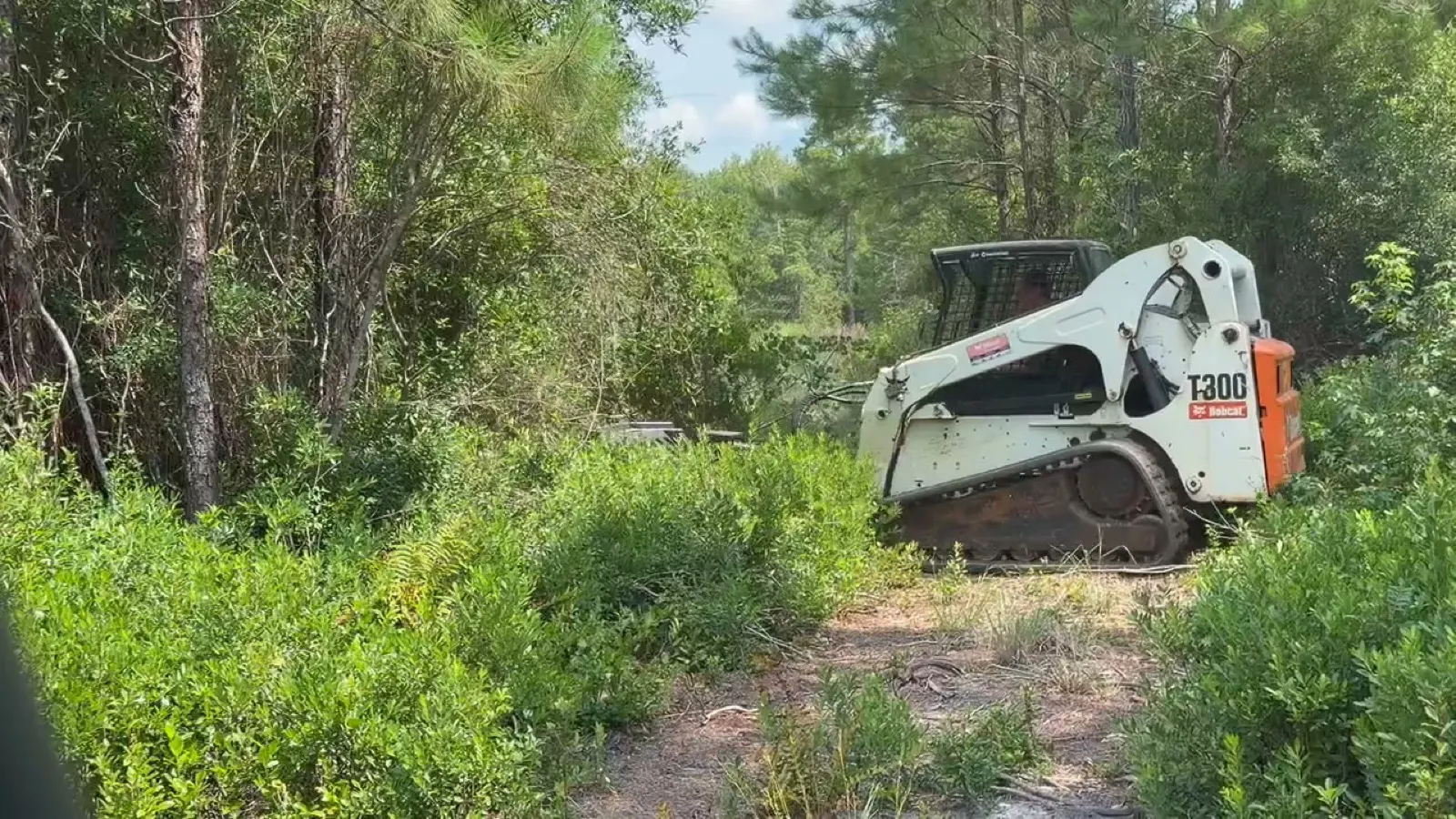
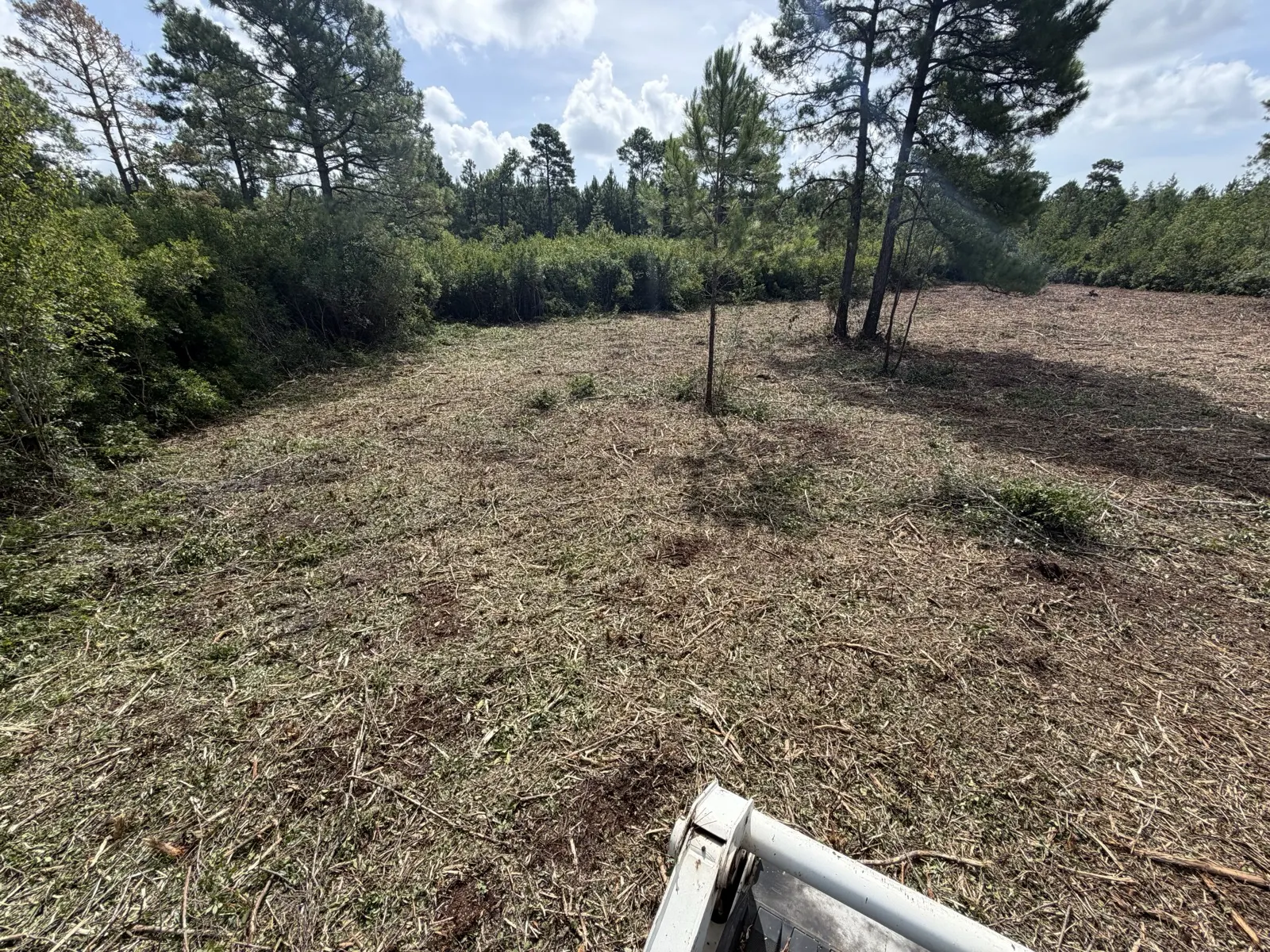
Bush hogging in Conway is farm-country work. This side of Horry County still carries old pasture, hay ground, and field edges from its tobacco and corn years, and all of it grows the moment it is left alone. We mow it with a rotary cutter on a Bobcat T300 track loader. Grass, weeds, briars, and woody stems up to about thumb size go down in one pass, and the field is usable the same day.
Category 5 Land Management runs out of Longs, about 18 miles up the road. Mowing is the cheapest stage of keeping land open, and the point is to catch fields before they cross into brush. The service itself is laid out on the main bush hogging page.
Tell us about your land — we’ll get right back to you.
Around Toddville, Red Hill, and the US 701 corridor south of town, the pattern repeats: a field stops getting cut, broomsedge moves in, then briars, then sweetgum and volunteer pine. In this climate that slide takes two or three years, not ten. A mowing pass once or twice a year is what stops it at stage one, where it is cheap.
Fields that already slid are not mowing jobs anymore, and pretending otherwise just tears up a cutter. Ground with established saplings needs the mulcher head first, which is the work described on our forestry mulching in Conway page. After that reset, mowing holds the line from then on.
Plenty of Conway land is kept for living on rather than farming: a few acres with a house, horse paddocks, a pond lot, a back field held for a kid to build on someday. Those parcels need the same knockdown. Mowed paddocks carry fewer weeds into hay, and a clean field edge keeps briars from working into the fence.
Fence lines that have already gone under get opened back up as their own job, and paddocks or grazing ground being brought back to real grass belong under putting a pasture back in grass. Mowing then keeps both from sliding again. Most owners settle into a spring and late-summer rhythm.
We mow across the Conway ZIP codes 29526, 29527, and 29528, from the river tracts out to the farm ground past Cool Spring and Poplar Forks. Soft ground near the Waccamaw favors our tracked machine over a wheeled tractor, and after a wet stretch we time cuts so the field carries the machine without rutting.
A standing schedule is the cheapest way to run it, and one visit can cover a field, the lot beside the house, and the lane to the back gate. The rest of what we handle around town sits on the rest of our Conway work. Send the address and the estimate comes free.
Free, no-obligation estimates across Conway and the Grand Strand, both sides of the SC/NC line.
(843) 385-1090From the first call to the last pass of the mulcher, here is exactly how it goes.
Tell us where the property is and what you want the ground to do. We set a time to come look at it.
We come out, look at the growth and the ground, and talk through what the job takes. The estimate is free and it is a real number.
The Bobcat T300 grinds brush and small trees into chips where they stand. No burn piles, nothing hauled off your land.
Clean, walkable ground with a mulch layer over it. Ready to mow, plan on, fence, or just look at without the overgrowth.
Common questions about bush hogging around Conway. Don't see yours? Give us a call and ask.
A local land clearing company based in Longs, working both sides of the state line. Free on-site estimates, and the same machine and process on every job.
The forestry mulcher grinds growth into chips where it stands. No burn piles to permit and watch, no dump trucks, and the ground cover stays on your land.
We look at the property before we price it. You get a real number for the job as it stands, before any work starts, and the estimate costs you nothing.
A tracked machine on flat, sandy coastal plain with a high water table. It rides where wheels sink, and we work both sides of the SC/NC line.
Published guides put bush hogging near $50 to $250 per acre in South Carolina. Here is what 2 acres runs, why minimums exist, and when a field needs more.
Read more →Bush hogging explained: what it is, published cost ranges per acre and per hour, and when a coastal SC field is too overgrown to mow.
Read more →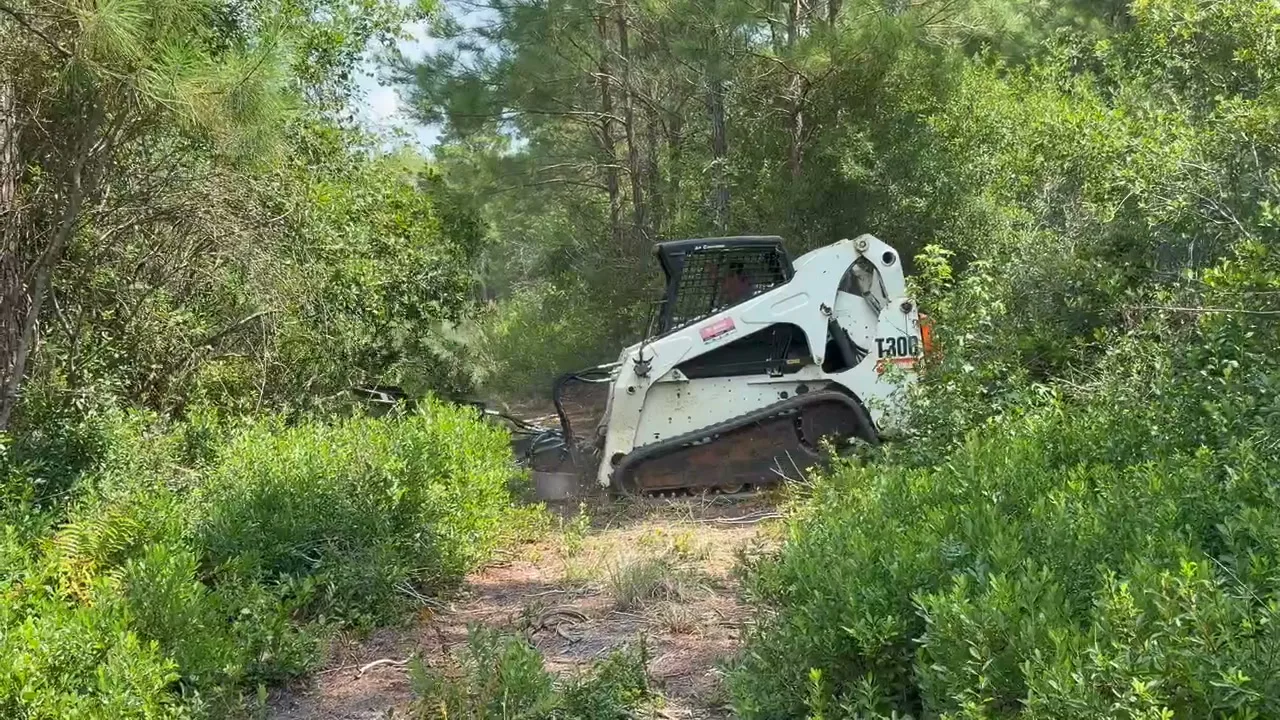
Published guides put forestry mulching at $125 to $300 an hour or $400 to $800 an acre. Here is how that math prices an overgrown fence line in coastal SC.
Read more →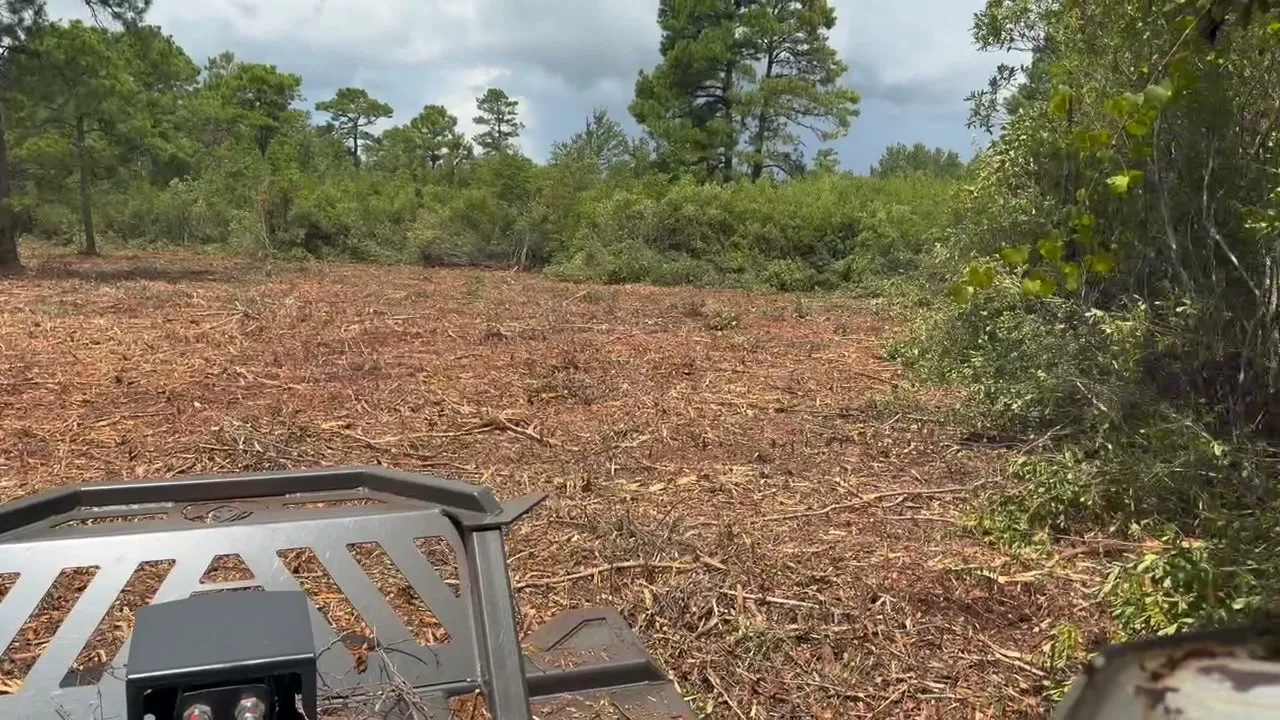
Once briars and saplings take a pasture, mowing cannot bring it back. The fix is mulch first, then mow on a schedule. Here is the sequence and why it holds.
Read more →An overgrown lot, a field that got away from you, a fence line you can't see anymore? Call or send the form. We come look at the property, talk through what you want the ground to do, and price the job before any work starts. Estimates are free.
Tell us about your land — we’ll get right back to you.