
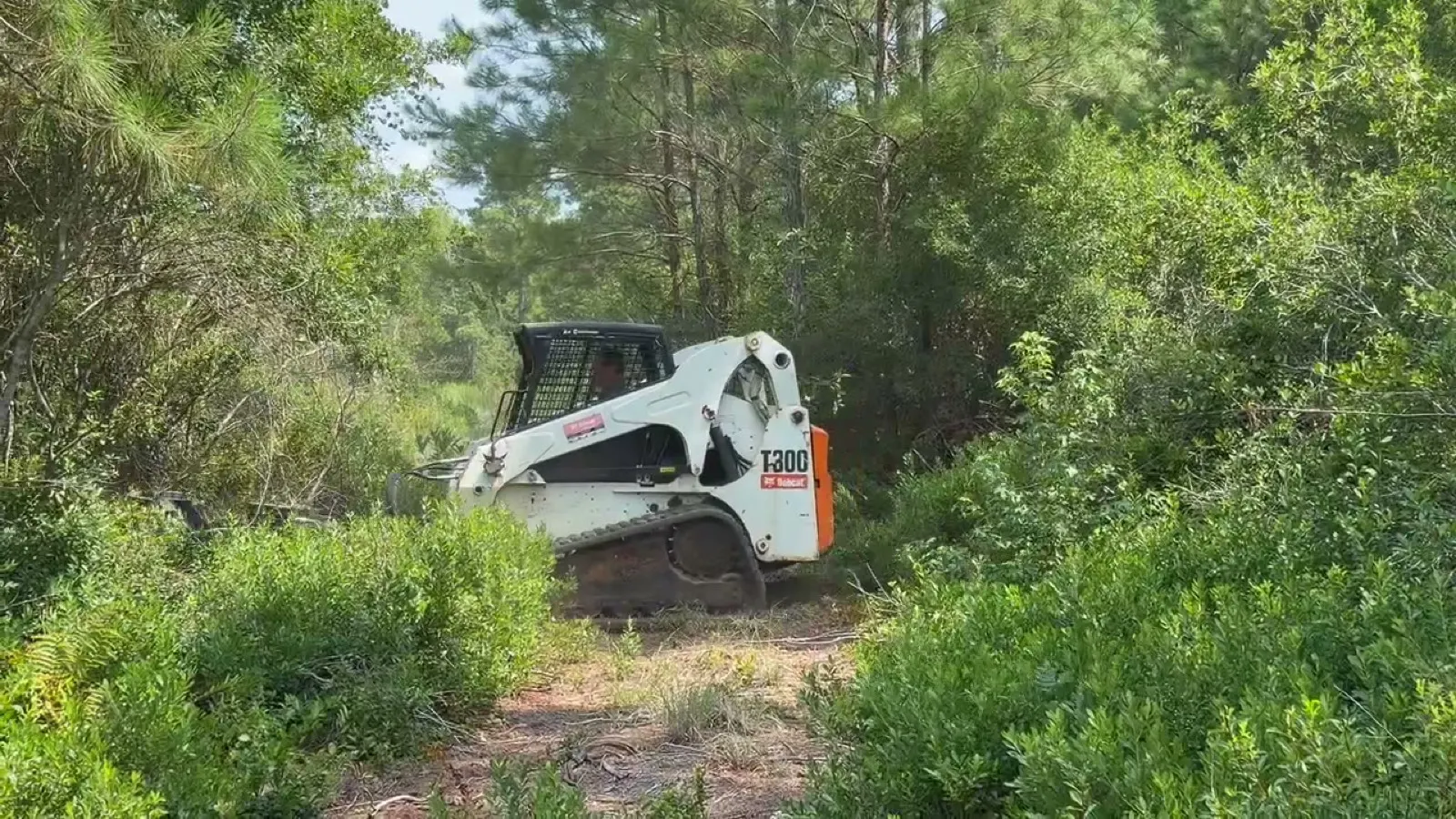
Forestry Mulching
Forestry mulching grinds brush and small trees into a mulch layer right where they stand. One machine, one pass, and no burn piles left behind.
View Details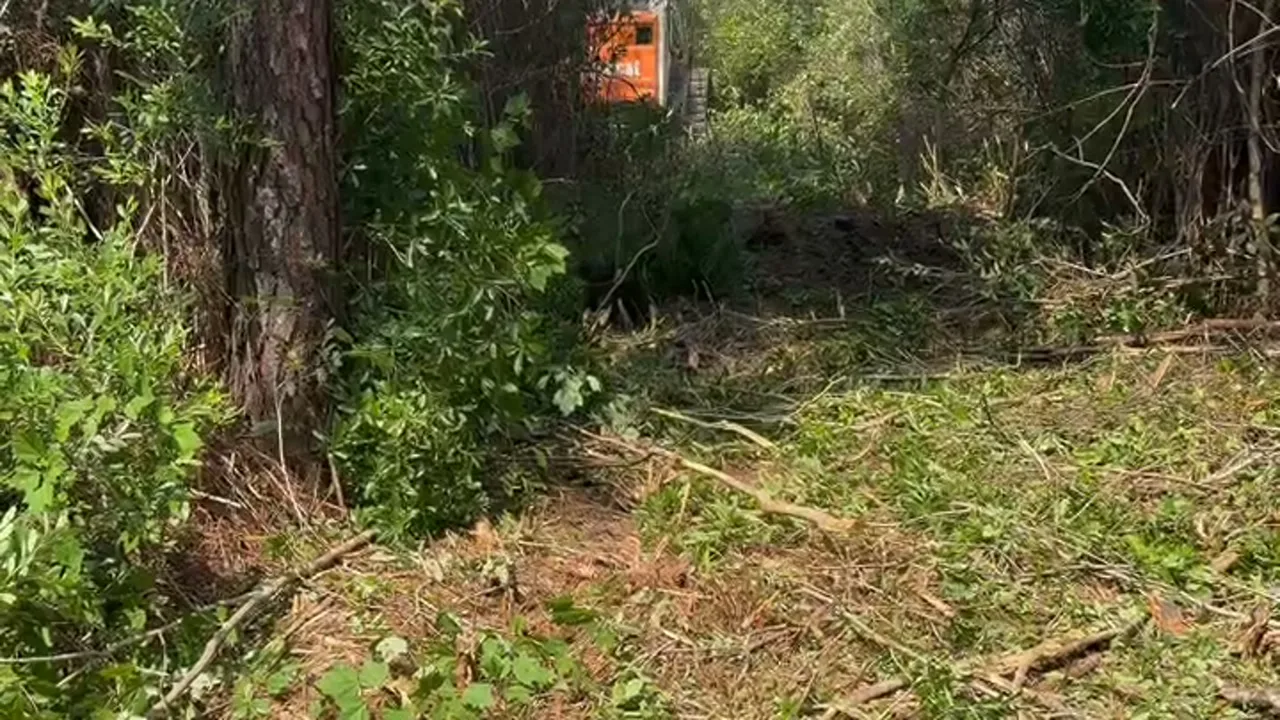
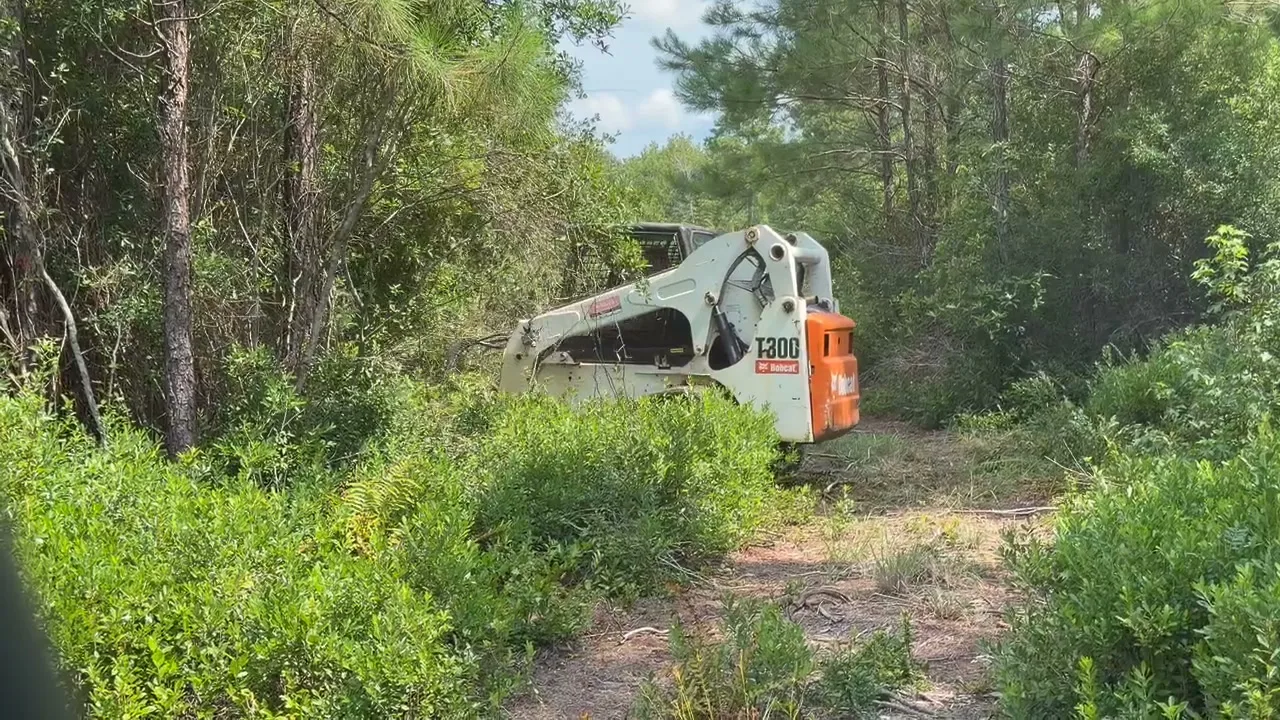
Underbrushing grinds out the brush, vines, saplings and small trees growing under your pines and hardwoods. Category 5 Land Management works out of Longs, SC across Horry, Georgetown, Brunswick and Columbus counties. The method is forestry mulching on wooded ground, aimed at one layer. Our Bobcat T300 with a mulcher head grinds the understory into chips that stay on the ground as cover. It handles stems up to roughly six to eight inches across, and the big trees above stay put. On the Grand Strand that understory is usually wax myrtle, greenbrier, young sweetgum and loblolly seedlings. Trumpet vine and honeysuckle climb through it.
Underbrushing fits four kinds of property. On a wooded homesite it opens sight lines through the trees and pulls the brush back from the house. On a hunting tract it lets you see farther from the stand. New owners use it to get a clear look at a tract they just bought. Timber owners use it to open the woods while the stand keeps growing. All four keep the trees overhead. Open woods and open ground are different goals, though. When the aim is open ground, the job is land clearing on overgrown acreage.
Tell us about your land and we’ll get right back to you.
On a wooded homesite, the brush under the trees is what closes in on the house. Wax myrtle is built for this coast, since it handles high winds, poor soil and salt spray. NC State Extension notes that its leaves, stems and branches contain flammable aromatic compounds. Greenbrier has a high flammability rating, and NC State says it should not be planted within a home's defensible space. It shows up anyway. It spreads by rhizomes and climbs up to 20 feet. Underbrushing grinds both out from under the pines and oaks and leaves the shade. When the plan is to open the whole lot for a build, that is lot clearing across the full parcel.
Horry County has seen what this layer can do. On April 22, 2009, a small debris burn east of Conway grew into the Highway 31 fire. It burned 19,130 acres and destroyed 76 homes. The Forestry Commission calls it the costliest and most destructive fire in state history. The Commission lists the fuel as a pine overstory with a heavy understory of palmetto, gallberry and wax myrtle. That fuel grew in Carolina bays, and bays are wetlands. We never work inside a bay or any other wetland. Our guide to wetlands and Carolina bays shows how to tell wet ground from dry. Wax myrtle grows on dry uplands too, so the same shrub turns up on dry homesites.
A thicket under the pines hides deer you would otherwise see from the stand. Underbrushing takes the understory down across a whole block of woods. You can see between the trunks in every direction. The pines and mast trees you flag stay standing. Sweetgum is a rapid grower and loblolly reseeds itself, so opened woods do fill back in. A repeat pass holds the view. A food plot site or a straight shooting lane from a stand is a narrower job. That falls under hunting land clearing and food plot work.
A grown-up tract hides what you bought. Underbrushing opens the view under the trees. You can find the corner pins and see where the ground drops into low spots. Where Japanese honeysuckle runs through the tangle, it grows over other plants and smothers them. The mulcher grinds that mat at ground level and works around the young trees you flag. Brush along a yard edge or a field corner with no trees overhead is brush clearing out in the open. Under a standing canopy, the job is underbrushing.
Timber owners use underbrushing to open a pine stand while the canopy trees keep growing. NC State Extension gives loblolly and trumpet vine a high flammability rating. A USDA Forest Service fact sheet calls the shrubs and small trees beneath the pines ladder fuels. They connect the forest floor to the tree crowns. The same sheet lists breaking up ladder fuels as one way to lower the intensity of an approaching fire. South Carolina's tax code asks that timberland be actively growing trees for commercial use. If you plan to keep the stand growing, read whether clearing triggers rollback taxes before work starts.
Size sets the limit. The head grinds stems up to roughly six to eight inches across, and anything bigger stays standing. Stumps stay in the ground, ground low. A tree leaning on a house or a power line belongs to a tree service and the utility. Before the machine starts, you flag the trees you want kept, and we work around them. Rubber tracks spread the machine's weight on soft coastal ground, and standing water waits for a dry stretch. Estimates are free. Call (843) 385-1090.
Free, no-obligation estimates across the Grand Strand, both sides of the SC/NC line.
(843) 385-1090From the first call to the last pass of the mulcher, here is exactly how it goes.
Tell us where the property is and what you want the ground to do. We set a time to come look at it.
We come out, look at the growth and the ground, and talk through what the job takes. The estimate is free and it is a real number.
The Bobcat T300 grinds brush and small trees into chips where they stand. No burn piles, nothing hauled off your land.
Clean, walkable ground with a mulch layer over it. Ready to mow, plan on, fence, or just look at without the overgrowth.
Common questions about underbrushing across the Grand Strand, both sides of the SC/NC line. Don't see yours? Give us a call. We're happy to help.
Forestry mulching grinds brush and small trees into a mulch layer right where they stand. One machine, one pass, and no burn piles left behind.
View Details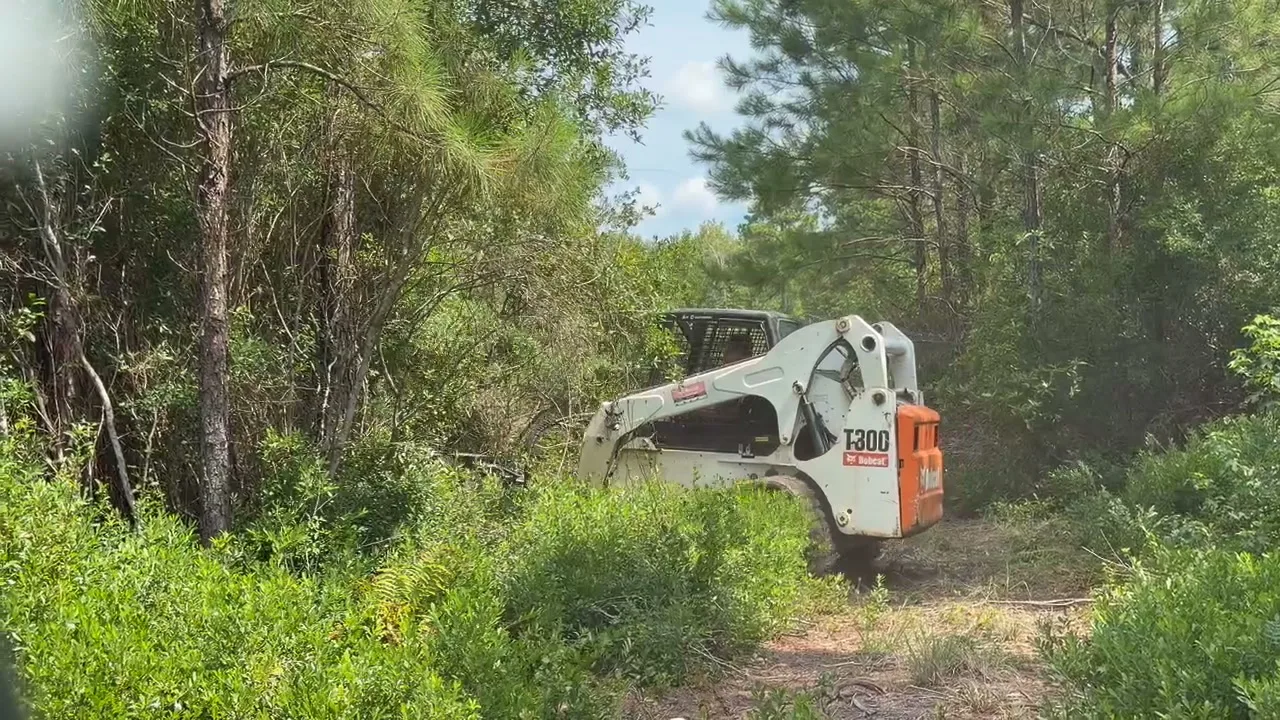
Food plot sites opened, shooting lanes cut, and access trails mulched on hunting tracts across the Grand Strand. The ground work gets done before the season.
View Details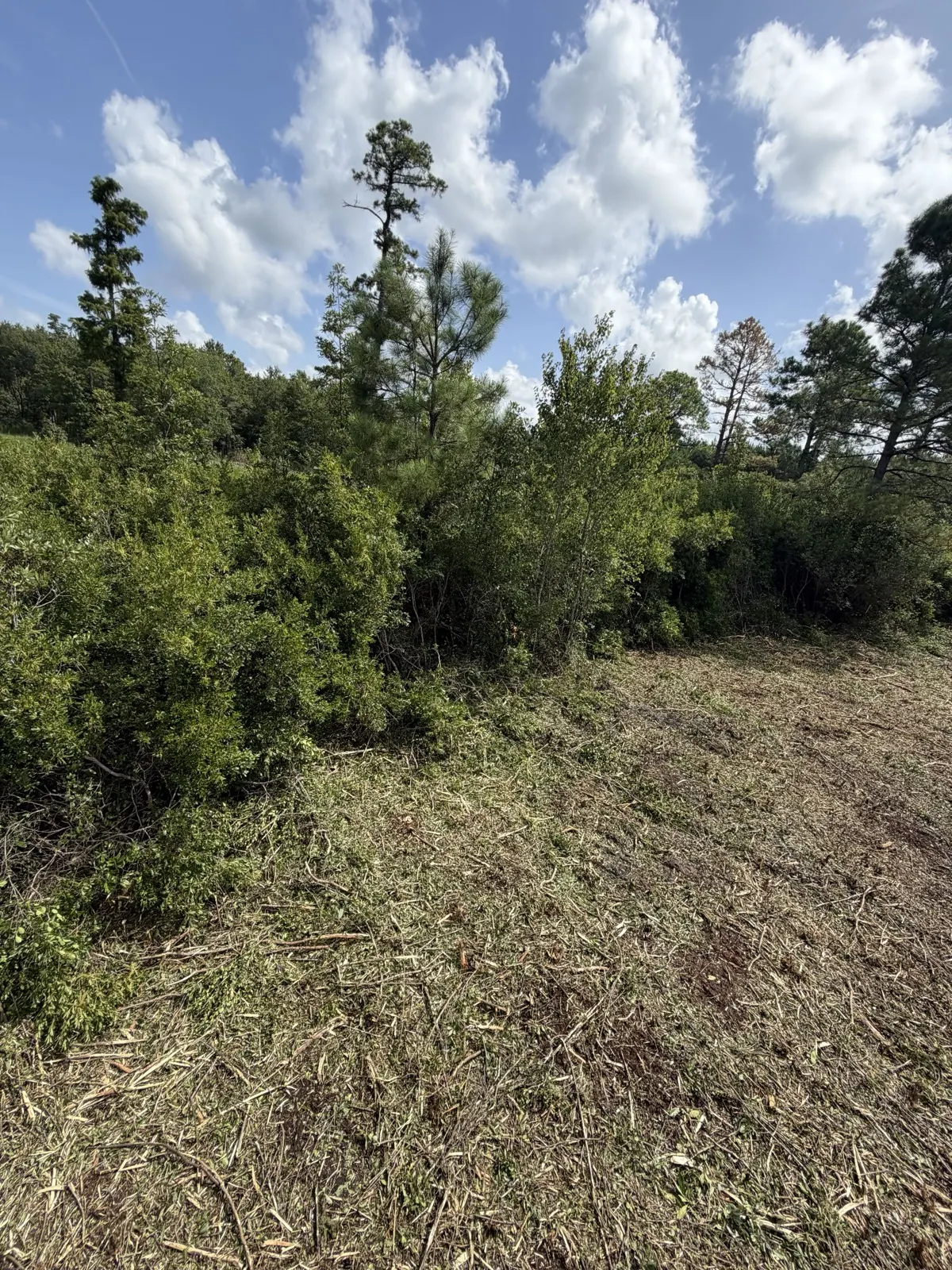
Lot clearing for single residential and small commercial lots. We mulch brush and small trees in place, so your lot stays clean and usable.
View Details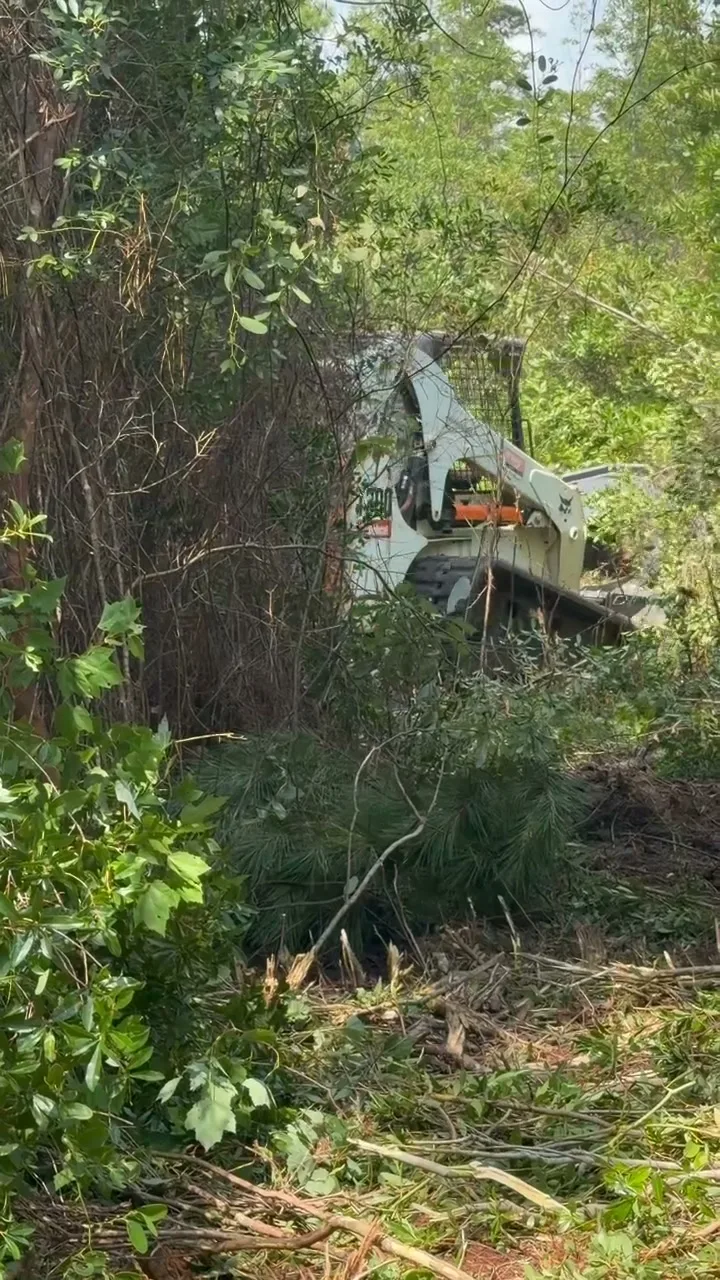
Bamboo, privet, kudzu, wisteria and Chinese tallow ground down with a forestry mulcher. The knockdown pass that takes an invasive thicket back to walkable ground across the Grand Strand.
View DetailsA local land clearing company based in Longs, working both sides of the state line. Free on-site estimates, and the same machine and process on every job.
The forestry mulcher grinds growth into chips where it stands. No burn piles to permit and watch, no dump trucks, and the ground cover stays on your land.
We look at the property before we price it. You get a real number for the job as it stands, before any work starts, and the estimate costs you nothing.
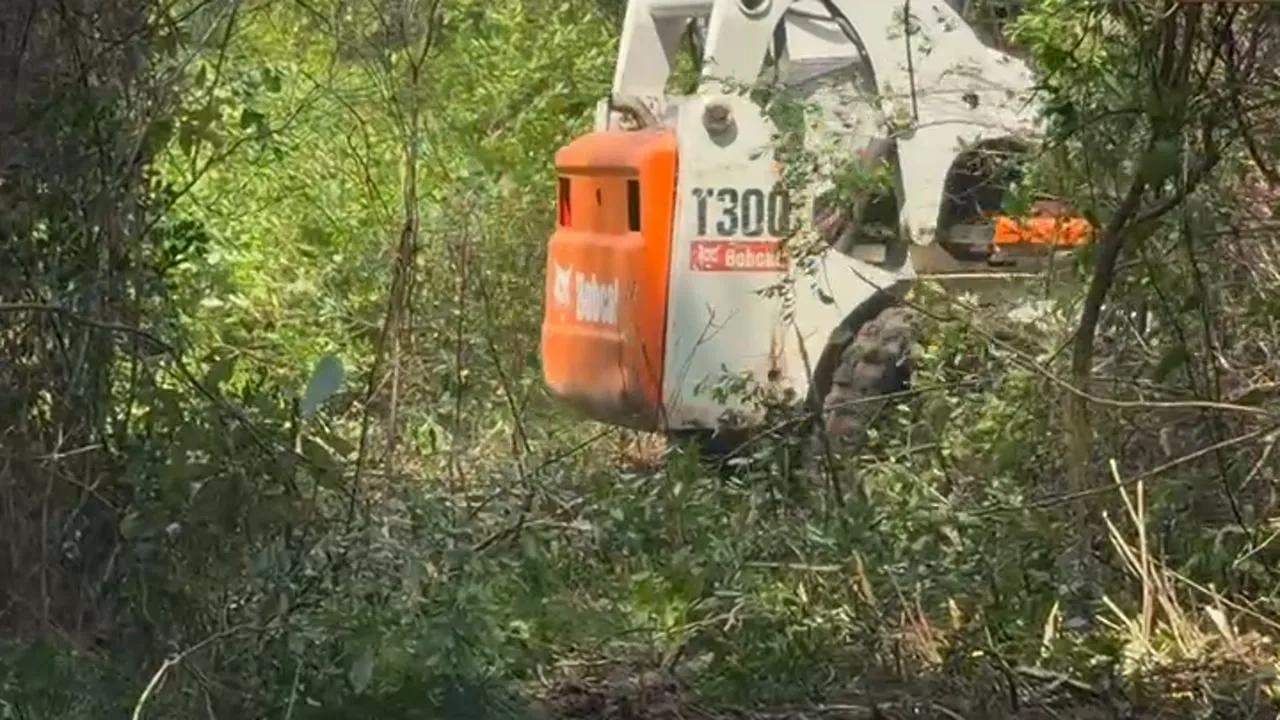
A tracked machine on flat, sandy coastal plain with a high water table. It rides where wheels sink, and we work both sides of the SC/NC line.
Clearing land does not trigger South Carolina rollback taxes by itself. A change in use does. Here is what the code says and how the assessor does the math.
Read more →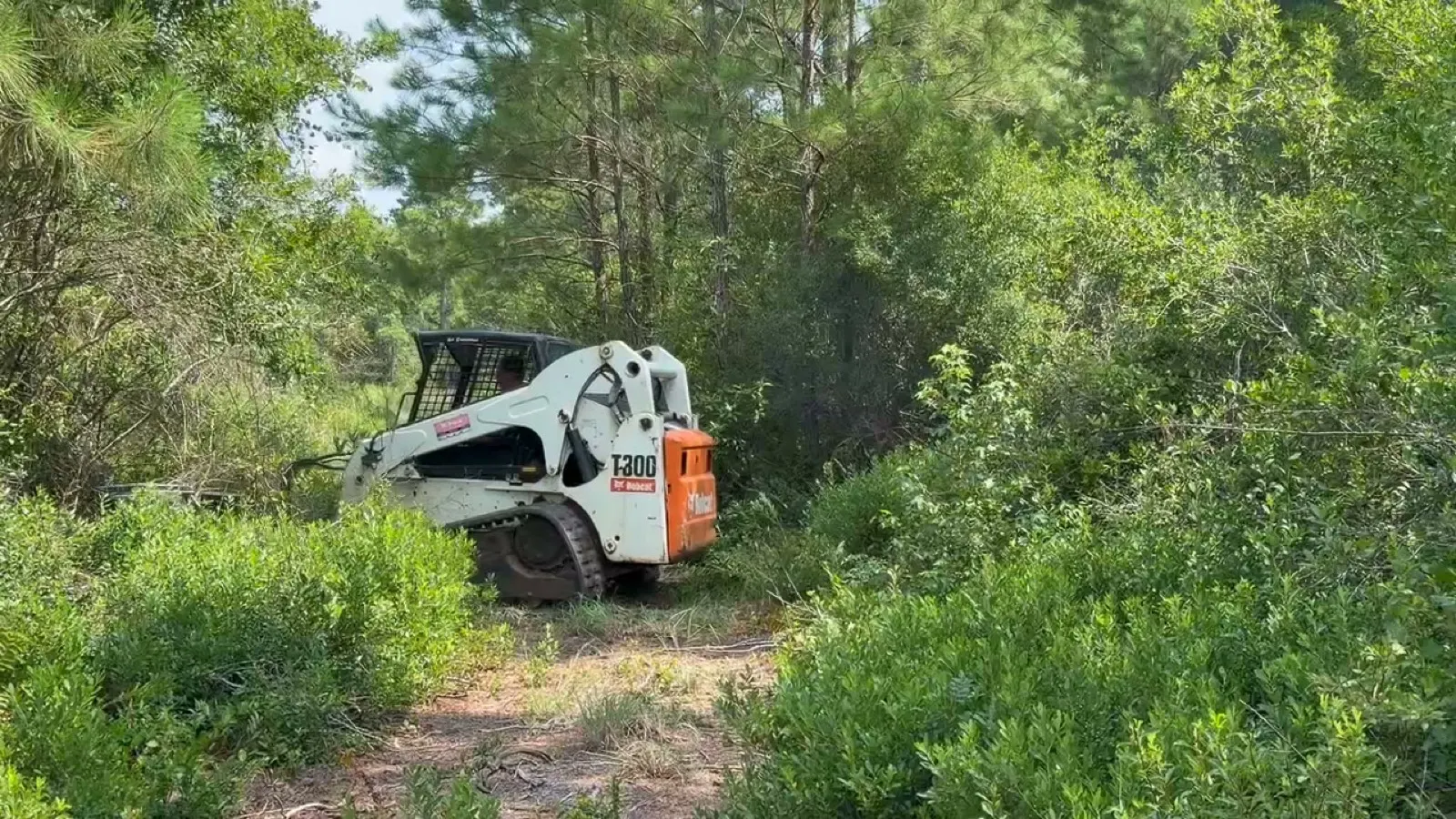
Published cost guides put forestry mulching near $300 to $2,500 per acre in South Carolina. Here is what density, access, and tract size do to the number.
Read more →An overgrown lot, a field that got away from you, a fence line you can't see anymore? Call or send the form. We come look at the property, talk through what you want the ground to do, and price the job before any work starts. Estimates are free.
Tell us about your land and we’ll get right back to you.