
Forestry Mulching
Forestry mulching grinds brush and small trees into a mulch layer right where they stand. One machine, one pass, and no burn piles left behind.
View Details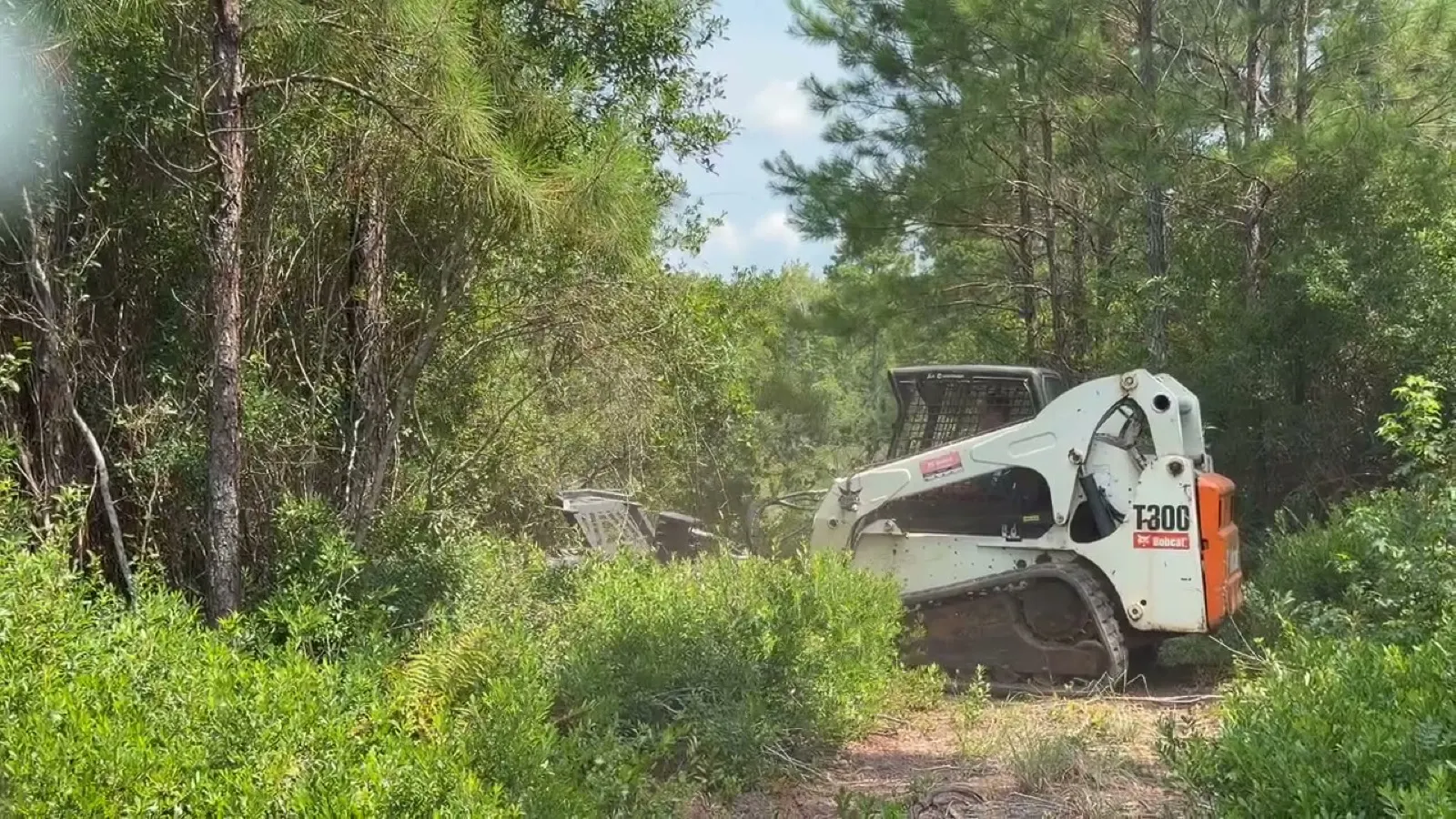
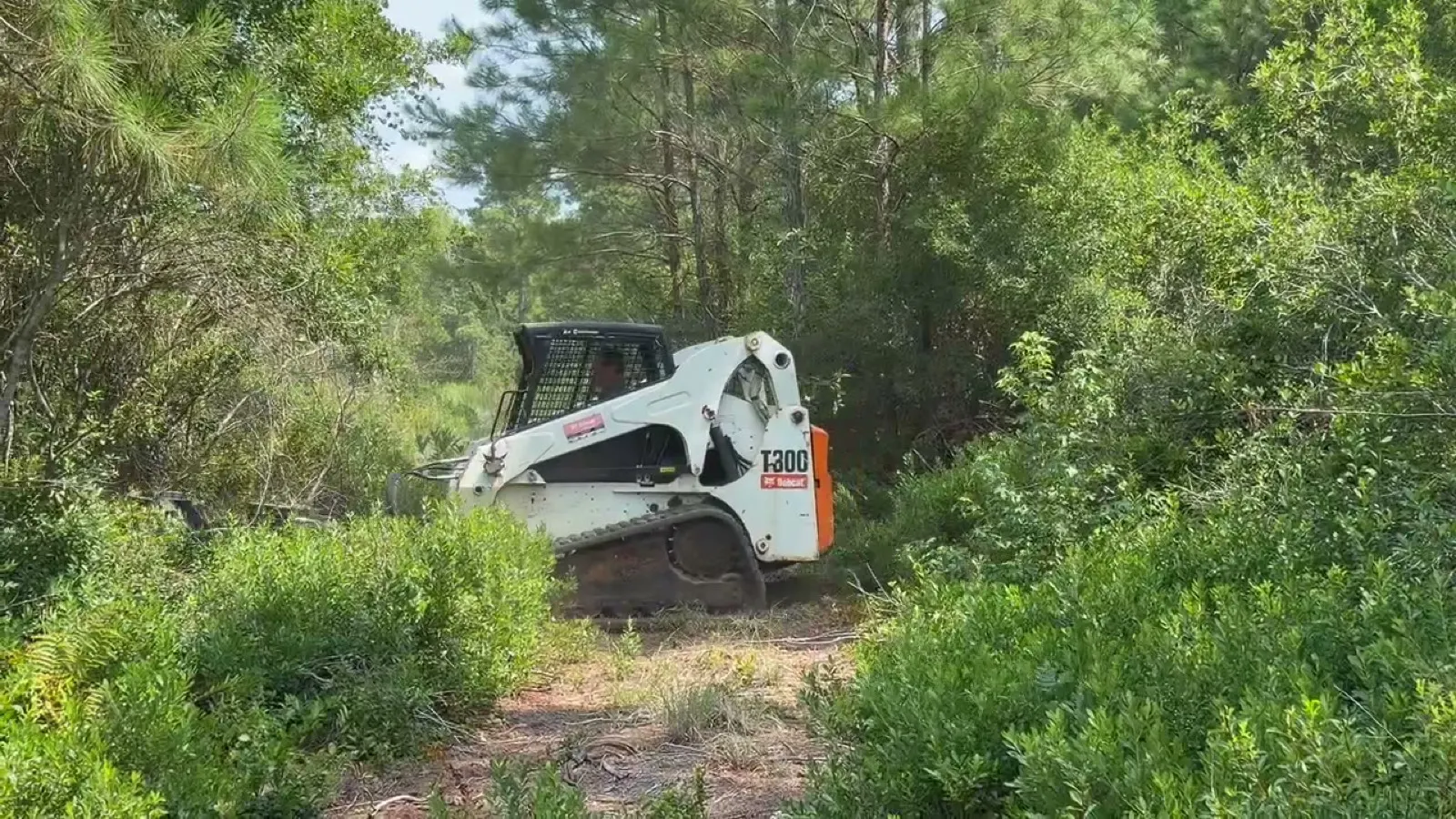
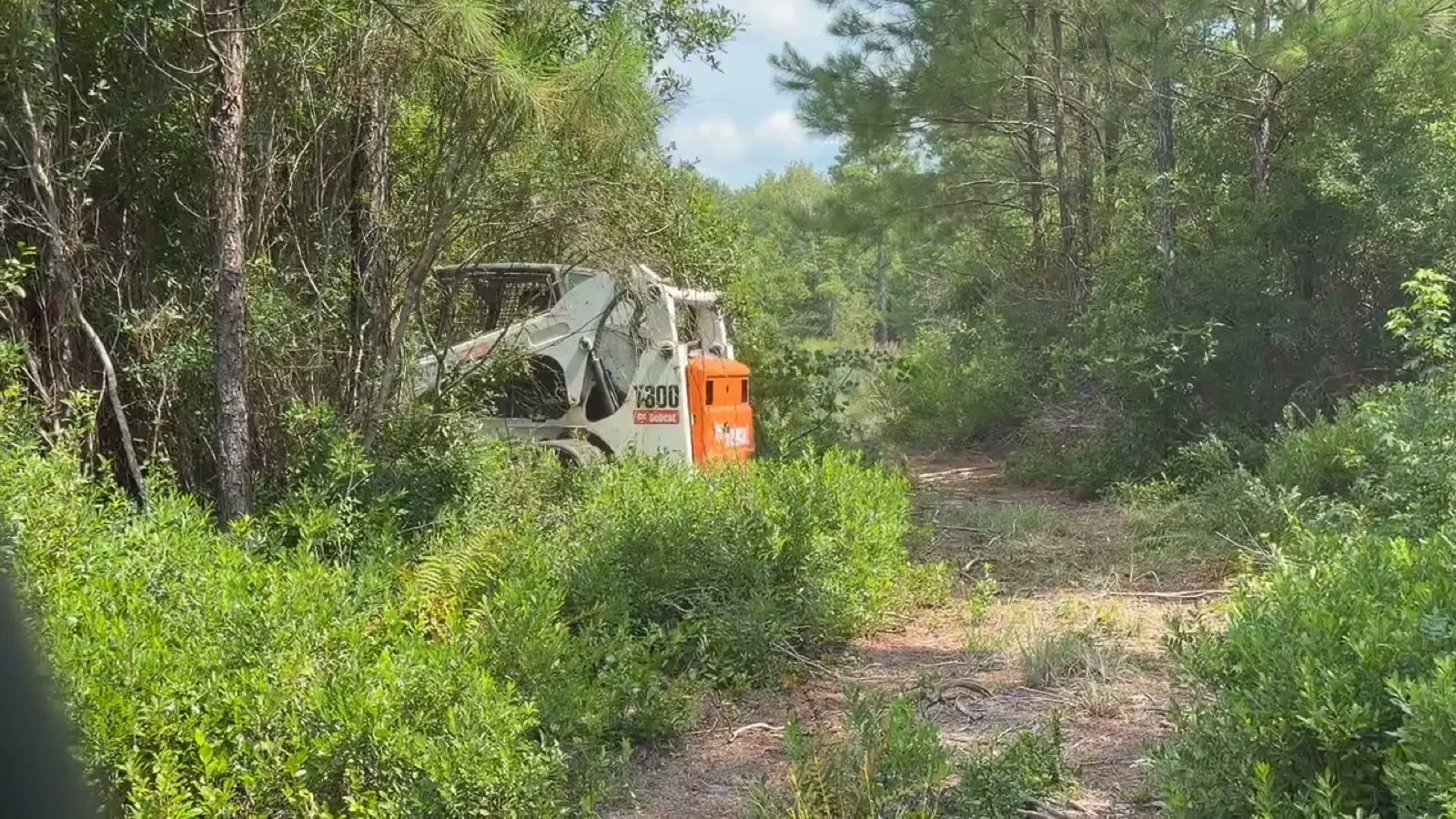
Fence line clearing gets your boundary back after brush takes it over. We work out of Longs, SC, in the farm country where pasture and crop land run up against the woods. Wax myrtle and briars climb the wire fast here. A fence row that was clean three seasons ago can disappear under green. Our Bobcat T300 carries a forestry mulcher head and grinds that growth down where it stands. The chips fall along the line as mulch. You get a clean edge you can see and mow again.
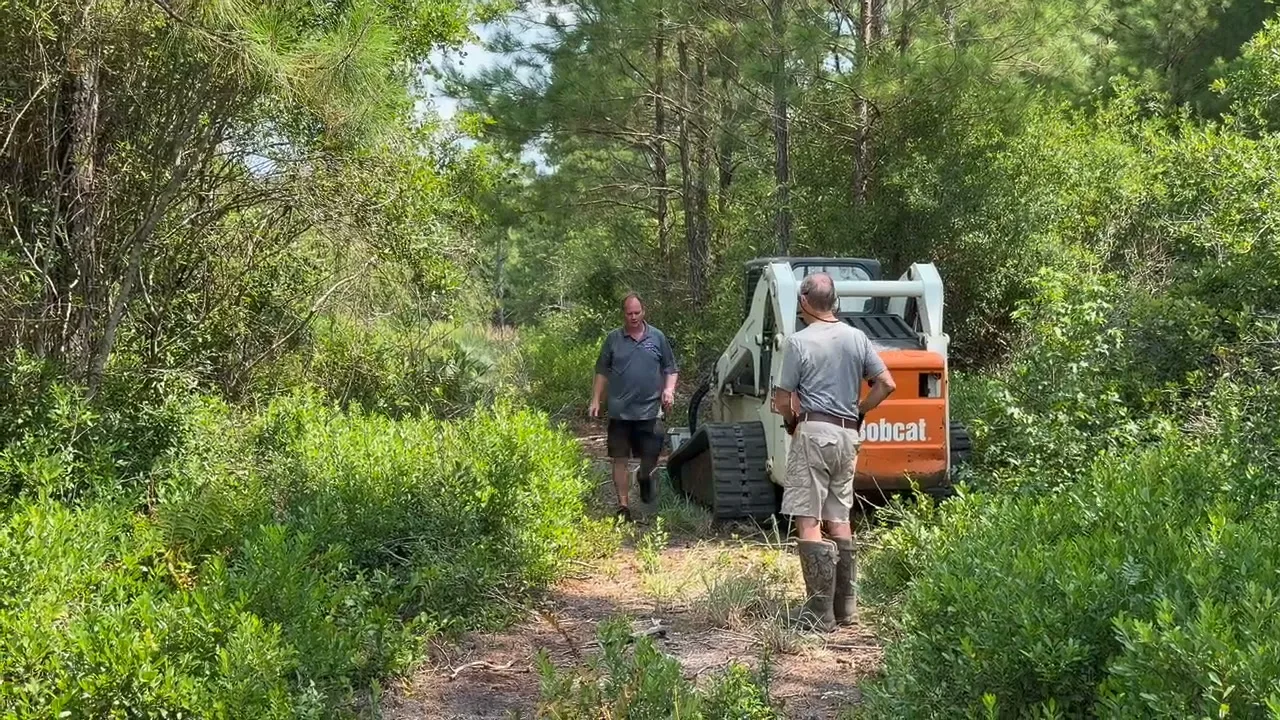
Fence line clearing usually comes up after land gets away over a few wet seasons. Owners want the wire visible before a survey or before new fence goes up. We clear up to the fence and leave it standing. We do not build or repair fence, so a fence crew can work a clean line behind us. The T300 is a compact track loader, so it fits between the wire and the tree line. Tracks spread the weight on our sandy, wet ground. When a whole field has gone to brush, that job is Pasture Reclamation.
Tell us about your land — we’ll get right back to you.
Fence line clearing starts with a look at the line. We ask how long the run is and how thick the growth has gotten. Then we set a day and bring the T300 in on a trailer. The mulcher head takes the brush down in passes, from the outside edge toward the wire. Saplings and volunteer trees in the line go the same way. Everything ends up as chips on the ground. There is nothing to burn and nothing to haul off.
Fence row clearing goes faster on a line that has been kept up. A line with heavy vine and saplings in the wire takes more passes. One fence line on a small farm is often a single day of work. Longer runs on bigger tracts can take two days or more. We can leave the mulch thin so grass comes back through it. On a lane you drive, a thicker layer holds up better in wet weather.
Property line clearing opens a corner or a whole boundary so you can see it. Surveyors need a sight line before they can set pins. New fence needs a cleared strip before posts go in. We mulch a working width along the line and stop where you tell us. Pin flags and corner markers stay where they are when you point them out first. On lines with no fence yet, we work off your survey map or your flags.
An access lane is a path on your own land, cut wide enough to drive. Owners use one to reach a back field or a spot they plan to build on. We mulch the growth down to a drivable width and keep the run where the ground is firm. Width is your call, and we can open it wide enough for a truck or a tractor. Utility corridors along power lines and pipelines are outside what we do.
On a hunting tract, the work is about sight lines and getting around. We cut trails between stands so you can move without fighting briars. Shooting lanes go to the width and length you mark. Edges of a food plot can be cleaned up the same day. Flagging tape on the corners ahead of time speeds up the day. Nothing gets hauled off, so the chips stay down and hold the dirt. We stay off wet bottoms when the water table is up.
Fence line clearing does not last forever on this ground. Wax myrtle and briars come back, and vines find the wire again. A fence you want kept clean is worth a pass every year or two. A lane you drive often stays open longer on its own. We cover about fifty miles around Longs, SC. That takes in Horry and Georgetown counties in SC, plus Brunswick and Columbus counties in NC. On hunting tracts the same lane work turns into trails and shooting lanes for the season. Call (843) 385-1090 for a free estimate.
Free, no-obligation estimates across the Grand Strand, both sides of the SC/NC line.
(843) 385-1090From the first call to the last pass of the mulcher, here is exactly how it goes.
Tell us where the property is and what you want the ground to do. We set a time to come look at it.
We come out, look at the growth and the ground, and talk through what the job takes. The estimate is free and it is a real number.
The Bobcat T300 grinds brush and small trees into chips where they stand. No burn piles, nothing hauled off your land.
Clean, walkable ground with a mulch layer over it. Ready to mow, plan on, fence, or just look at without the overgrowth.
Common questions about fence line clearing across the Grand Strand, both sides of the SC/NC line. Don't see yours? Give us a call — we're happy to help.
Forestry mulching grinds brush and small trees into a mulch layer right where they stand. One machine, one pass, and no burn piles left behind.
View Details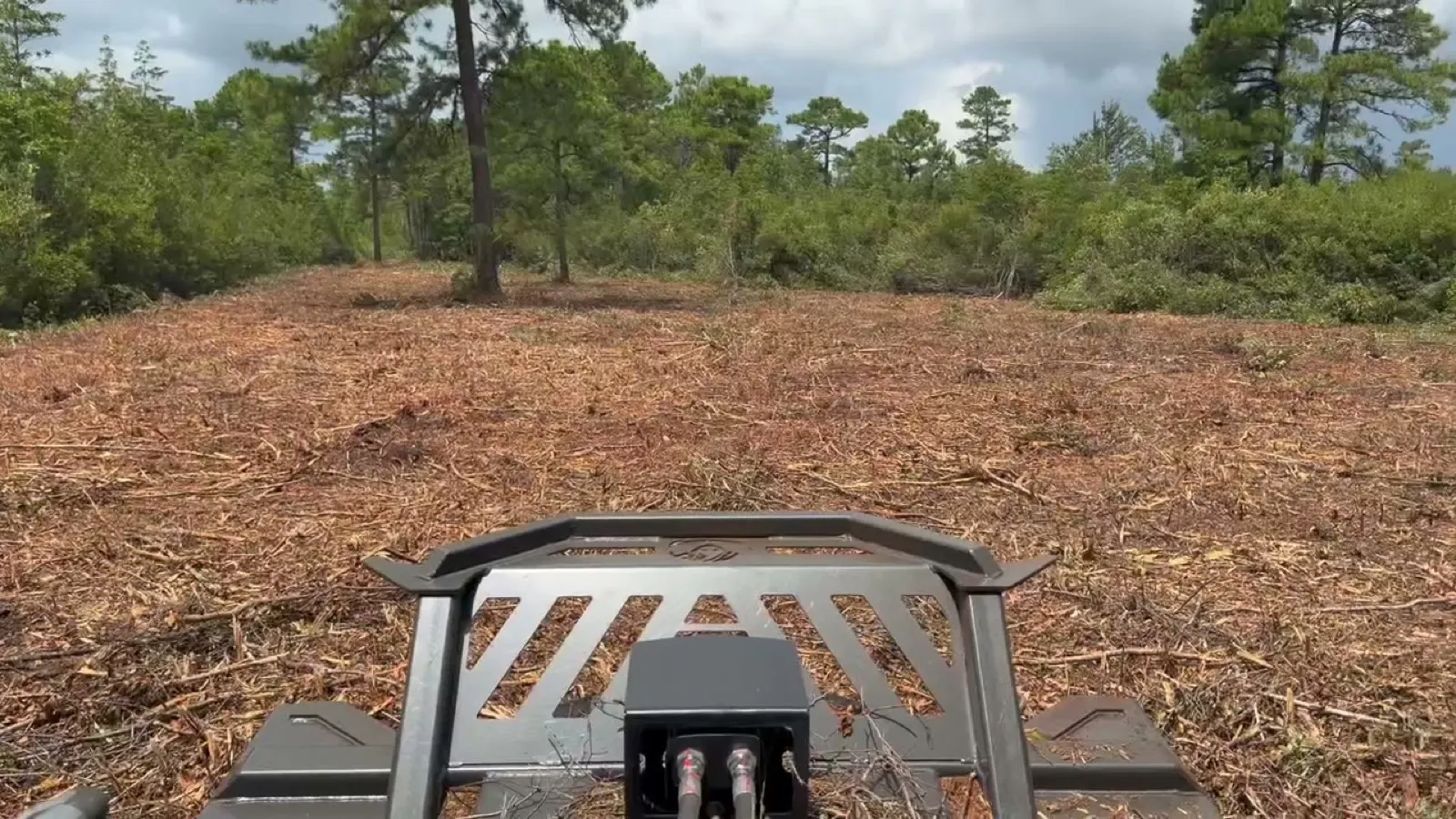
Heavy bush hogging for fields and pastures that got away from you. A tracked machine with a mulcher head cuts what a tractor bush hog cannot.
View Details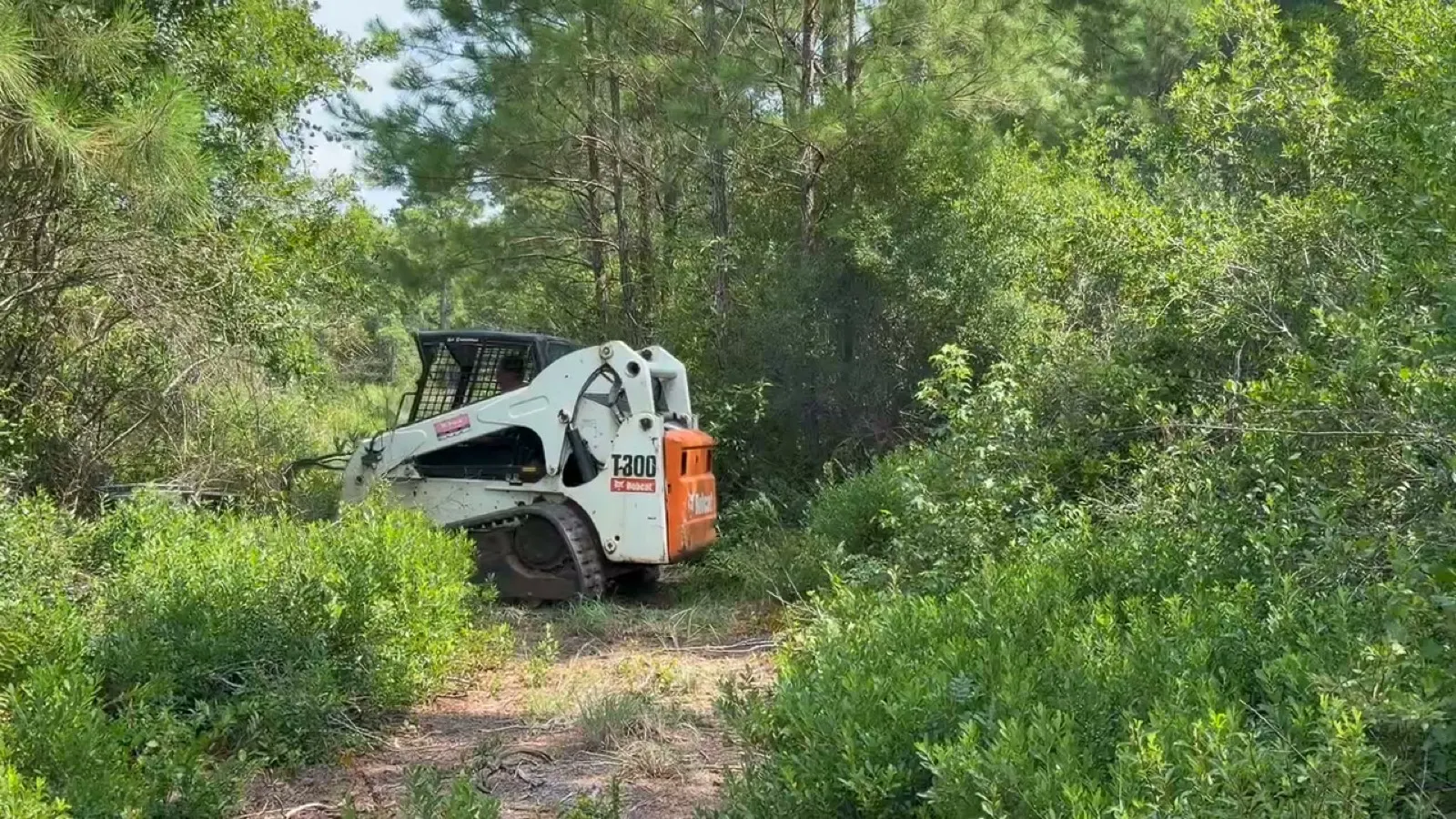
Thick undergrowth, briar and vines cleared off yard edges, wood lines and the understory under standing trees. Ground into mulch on site with a forestry mulcher.
View Details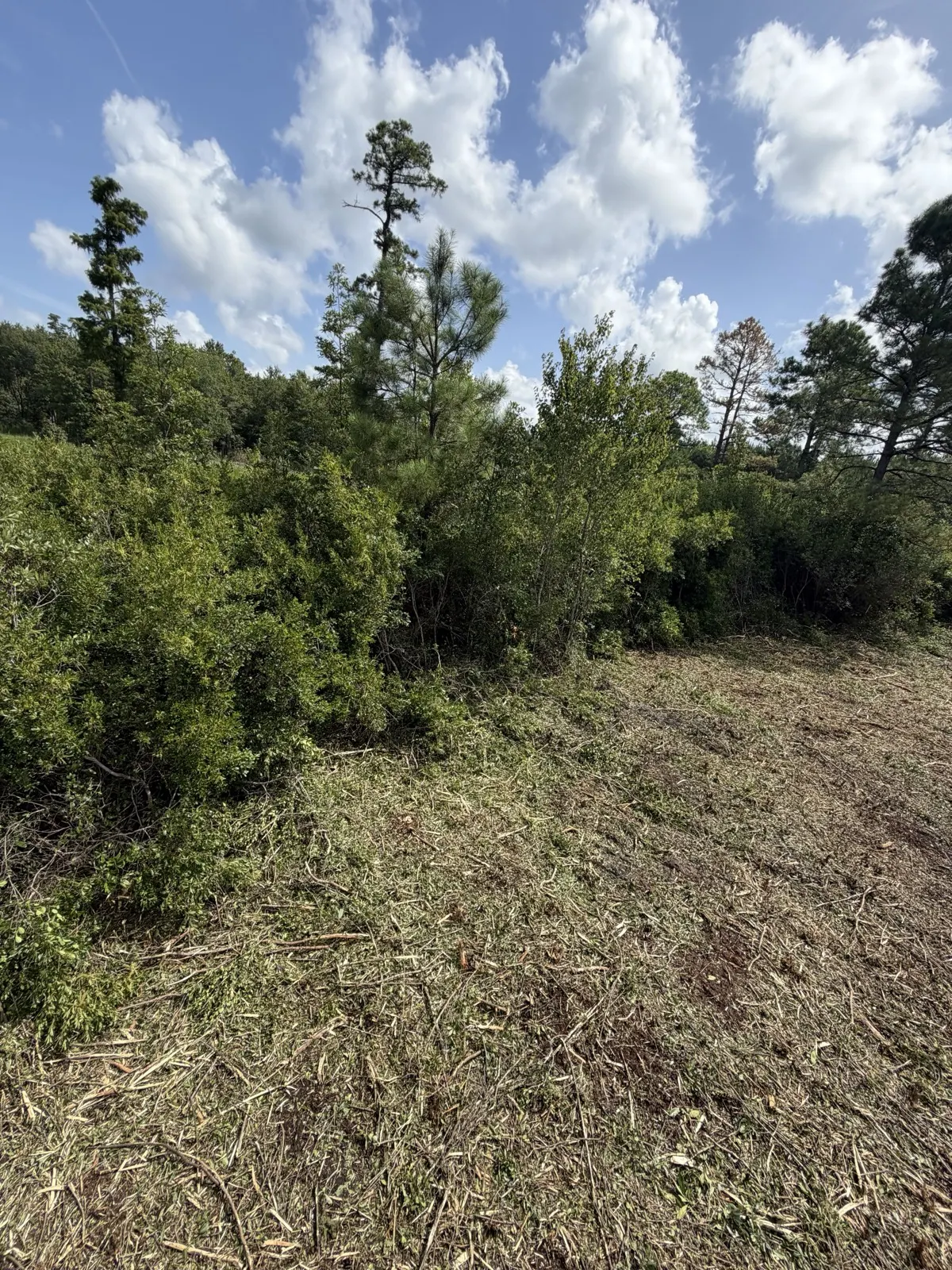
Lot clearing for single residential and small commercial lots. We mulch brush and small trees in place, so your lot stays clean and usable.
View Details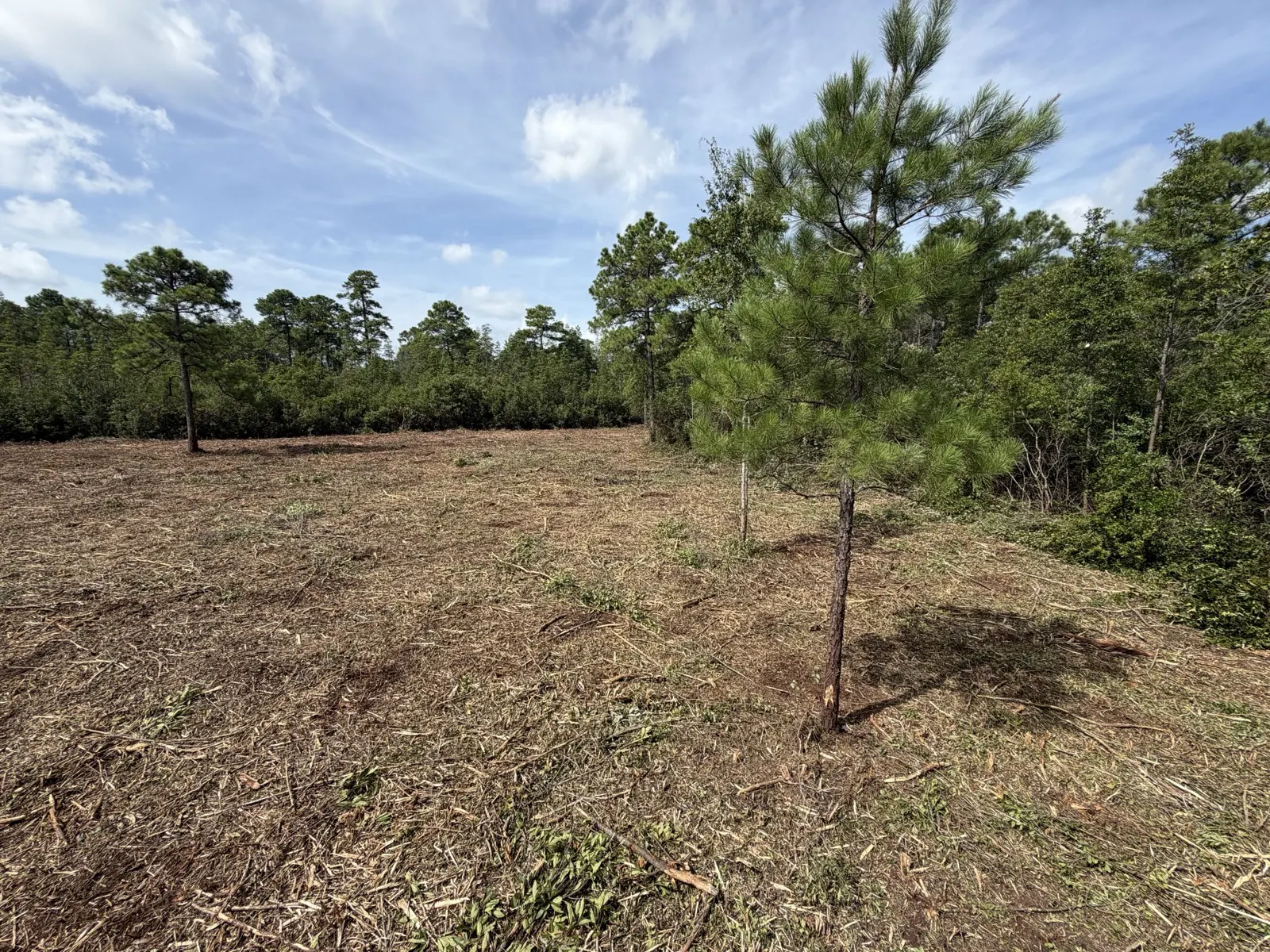
Fields that went to briar and saplings, mulched back to open ground. We bring lost pasture back to where a mower can handle it again.
View Details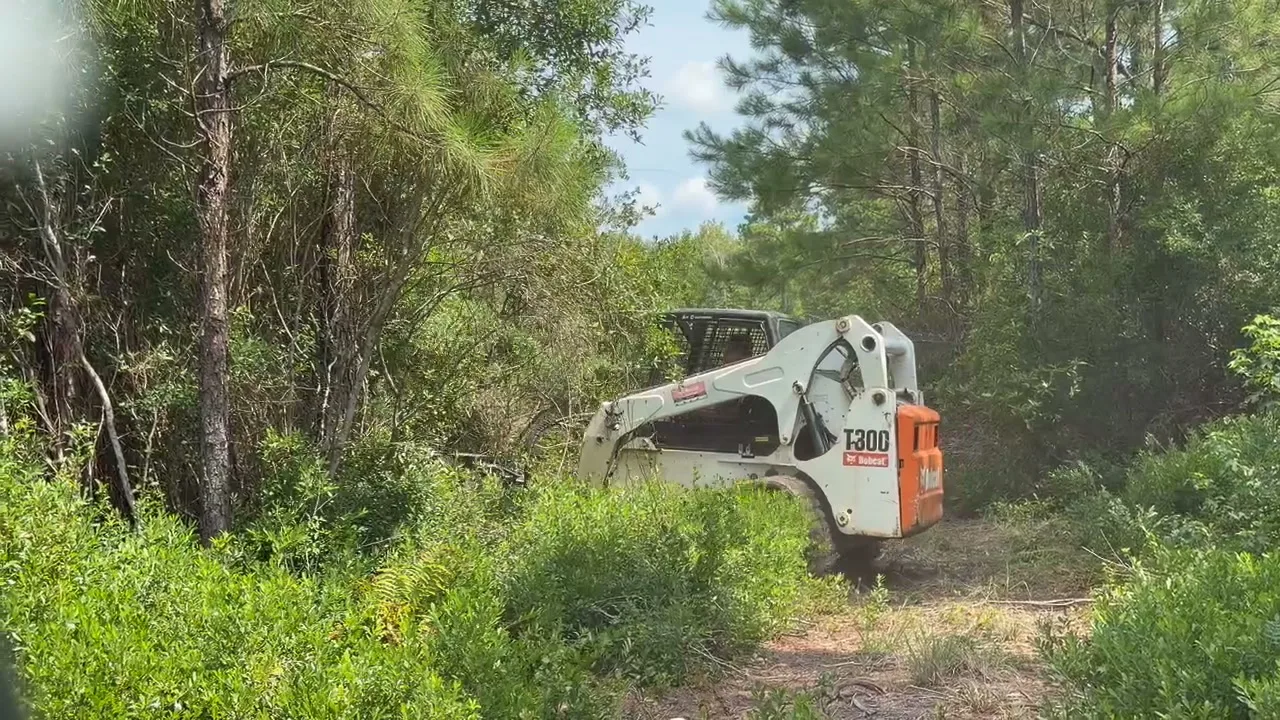
Food plot sites opened, shooting lanes cut, and access trails mulched on hunting tracts across the Grand Strand. The ground work gets done before the season.
View DetailsA local land clearing company based in Longs, working both sides of the state line. Free on-site estimates, and the same machine and process on every job.
The forestry mulcher grinds growth into chips where it stands. No burn piles to permit and watch, no dump trucks, and the ground cover stays on your land.
We look at the property before we price it. You get a real number for the job as it stands, before any work starts, and the estimate costs you nothing.
A tracked machine on flat, sandy coastal plain with a high water table. It rides where wheels sink, and we work both sides of the SC/NC line.
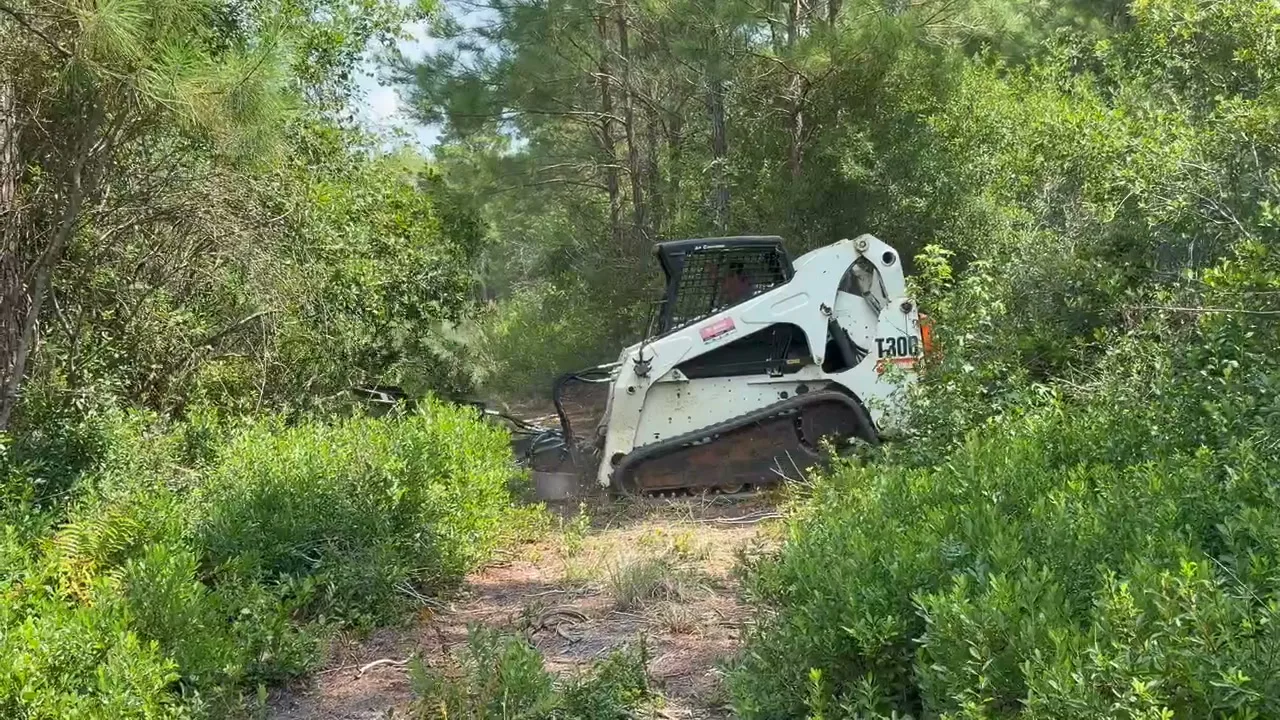
Published guides put forestry mulching at $125 to $300 an hour or $400 to $800 an acre. Here is how that math prices an overgrown fence line in coastal SC.
Read more →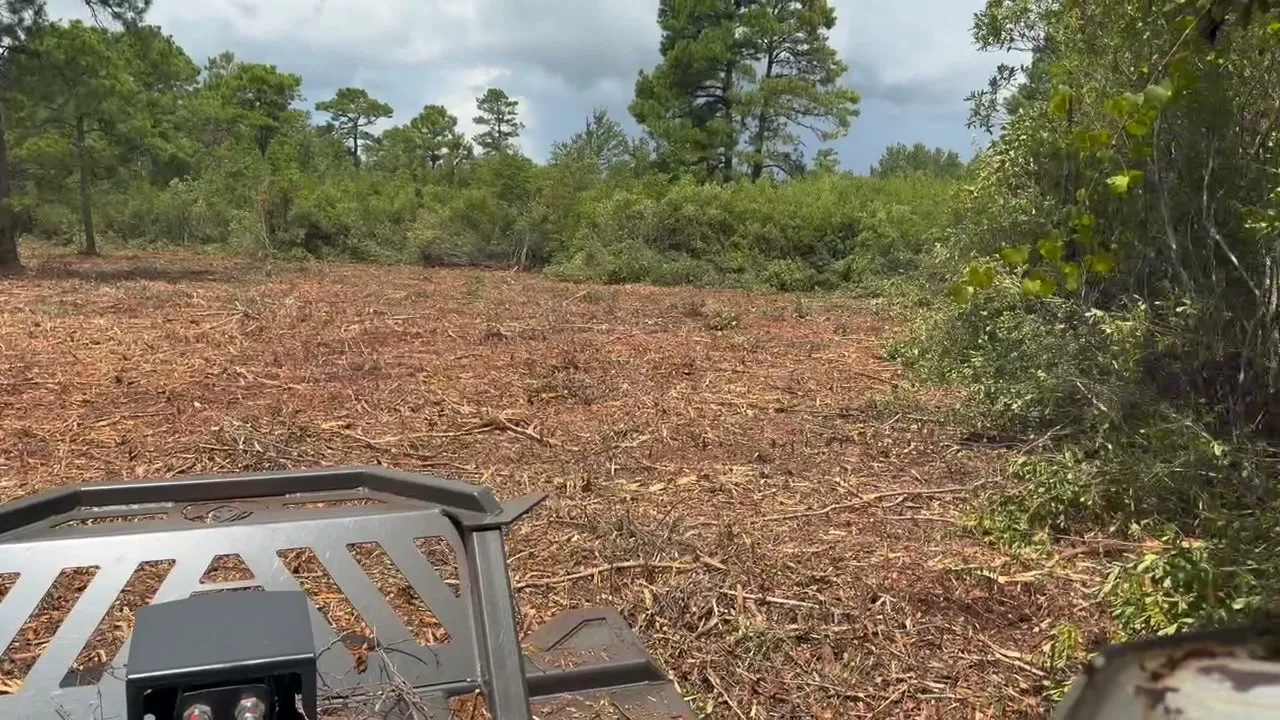
Once briars and saplings take a pasture, mowing cannot bring it back. The fix is mulch first, then mow on a schedule. Here is the sequence and why it holds.
Read more →An overgrown lot, a field that got away from you, a fence line you can't see anymore? Call or send the form. We come look at the property, talk through what you want the ground to do, and price the job before any work starts. Estimates are free.
Tell us about your land — we’ll get right back to you.