
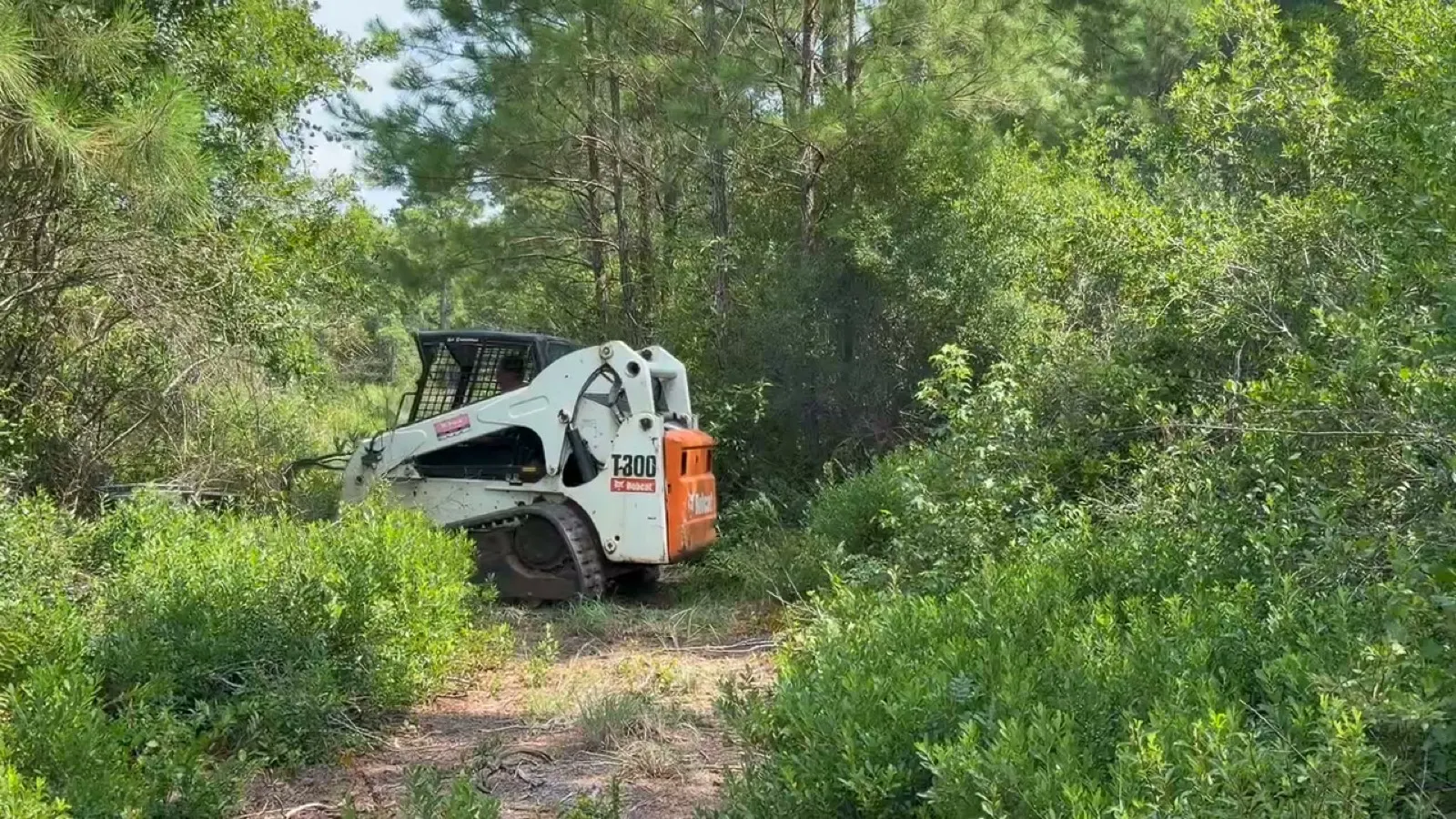
Brush Clearing
Thick undergrowth, briar and vines cleared off yard edges, wood lines and the understory under standing trees. Ground into mulch on site with a forestry mulcher.
View Details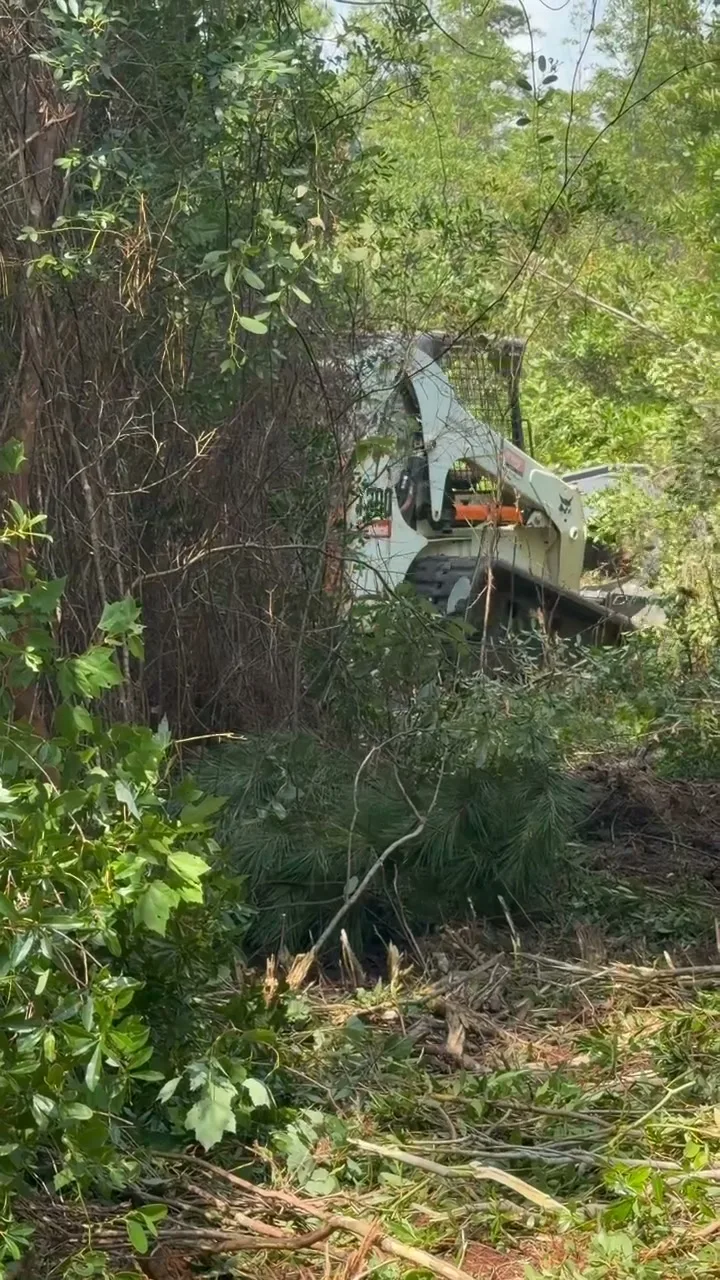
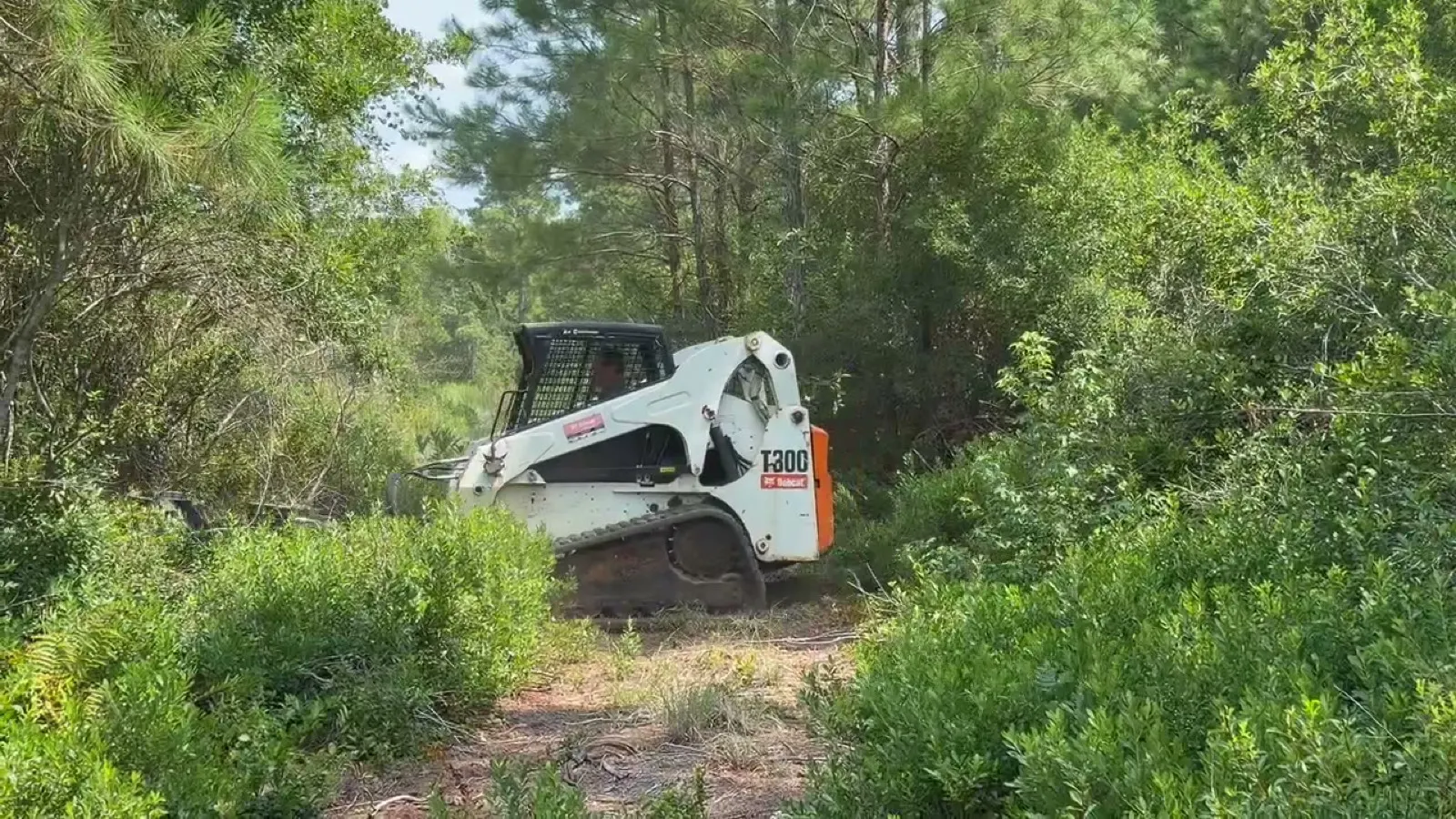
Invasive brush removal is the knockdown pass that takes a thicket back to open ground. Category 5 Land Management works out of Longs, SC across Horry, Georgetown, Brunswick and Columbus counties. Chinese privet, Chinese tallow, running bamboo, kudzu and Chinese wisteria all sit on South Carolina's severe-threat list of invasive plants, and all of them thrive on this wet coastal plain. Our Bobcat T300 with a forestry mulcher head grinds the stand to the ground and leaves the chips on site.
Grinding is the first step, not the last. Bamboo rhizomes, privet roots and kudzu crowns all sprout back after a cut. The mulched ground is what makes the follow-up possible. You can mow it, spray it, or have us back for the next knockdown pass instead of fighting a wall of stems. Jobs that are mostly native myrtle and briar are closer to a normal brush clearing job. This page covers the plants that came from somewhere else and keep coming back.
Tell us about your land — we’ll get right back to you.
Golden bamboo is a grass with rhizomes that run more than 100 feet from the parent stand, usually less than a foot deep. Cutting the culms never kills it. The mulcher takes a stand of any size down to the dirt in a pass and chips the culms on the spot, which is the part a homeowner cannot do with a saw. What comes back the next spring is soft new shoots instead of a wall.
Clemson's control guidance is plain: two to three years of regular mowing, or repeated cutting with herbicide on the regrowth, starves the rhizomes. Digging the root mass out is the other route, and that is excavation work for a different contractor. Our part is the first knockdown and any repeat passes you want on a schedule. Once the ground is mulched flat, a regular mower can usually hold it between visits.
Chinese privet forms thickets up to 30 feet tall in bottomlands and along fence rows, and almost nothing grows underneath it. Chinese tallow, the popcorn tree, first came into the country through the port of Charleston in 1776 and now runs from the North Carolina coast to the Gulf. A mature tallow can drop 100,000 seeds a year, and birds and floodwater carry them across Horry County. Both plants sprout from the roots after a cut.
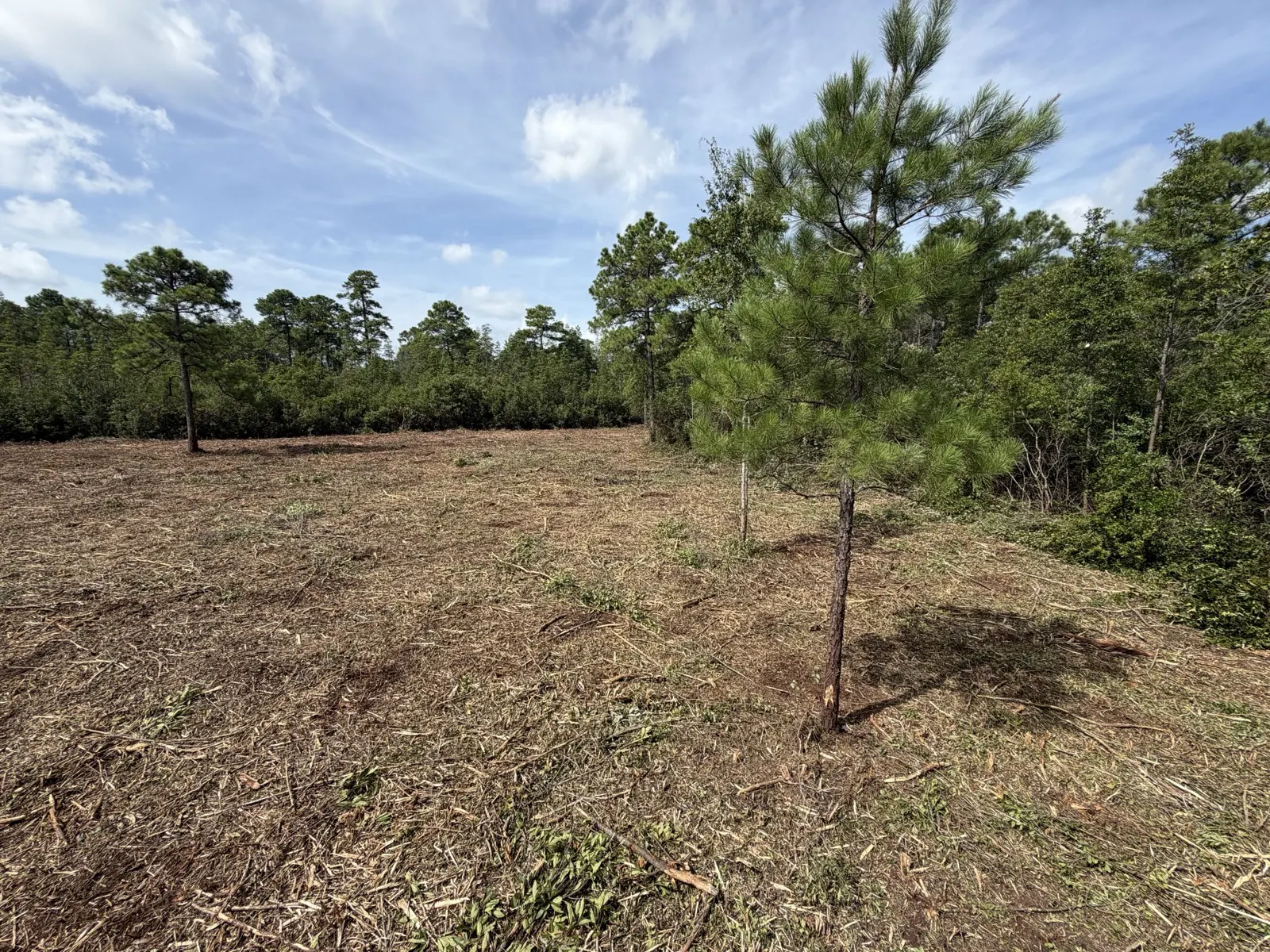
The mulcher works under the canopy. It grinds the privet and tallow understory and leaves your oaks, pines and cypress standing. Sight lines open, the woods become walkable, and the seed source is on the ground as chips instead of fruiting overhead. Stumps stay in the ground, ground low. Owners who keep after the sprouts with a mower or a sprayer hold the ground. Owners who want the whole lot opened are looking at clearing a whole lot rather than a thicket.
Kudzu and Chinese wisteria climb and smother. A tangle that has run across an old fence row or a lot edge can pull down small trees and hide everything under it. The mulcher grinds the ground-level mat, the crowns it can reach, and the saplings the vines were riding on. What is left is a flat, mulched strip you can see across. Vines already up in mature trees stay in the trees until they are cut at the base and die back.
Japanese honeysuckle and Japanese climbing fern ride along in most of these tangles on the coast. The pass handles them the same way. Old fence rows are the usual spot, which is why fence lines and access lanes and invasive removal often happen on the same trip. The ground pass is also the setup for bringing a field back from brush. Estimates are free. Call (843) 385-1090.
Free, no-obligation estimates across the Grand Strand, both sides of the SC/NC line.
(843) 385-1090From the first call to the last pass of the mulcher, here is exactly how it goes.
Tell us where the property is and what you want the ground to do. We set a time to come look at it.
We come out, look at the growth and the ground, and talk through what the job takes. The estimate is free and it is a real number.
The Bobcat T300 grinds brush and small trees into chips where they stand. No burn piles, nothing hauled off your land.
Clean, walkable ground with a mulch layer over it. Ready to mow, plan on, fence, or just look at without the overgrowth.
Common questions about invasive brush removal across the Grand Strand, both sides of the SC/NC line. Don't see yours? Give us a call — we're happy to help.
Thick undergrowth, briar and vines cleared off yard edges, wood lines and the understory under standing trees. Ground into mulch on site with a forestry mulcher.
View Details Forestry mulching grinds brush and small trees into a mulch layer right where they stand. One machine, one pass, and no burn piles left behind.
View Details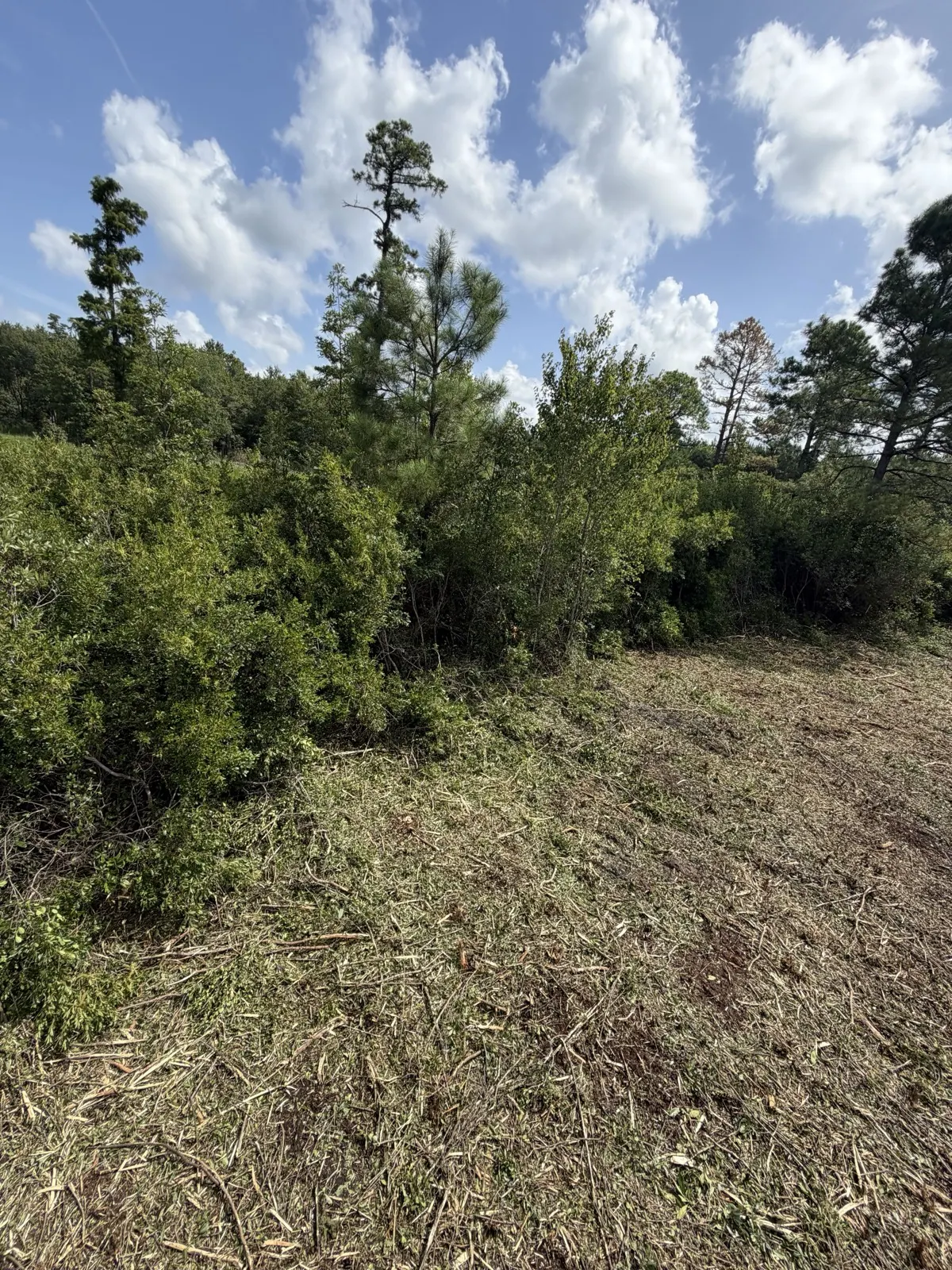
Lot clearing for single residential and small commercial lots. We mulch brush and small trees in place, so your lot stays clean and usable.
View Details Fields that went to briar and saplings, mulched back to open ground. We bring lost pasture back to where a mower can handle it again.
View DetailsA local land clearing company based in Longs, working both sides of the state line. Free on-site estimates, and the same machine and process on every job.
The forestry mulcher grinds growth into chips where it stands. No burn piles to permit and watch, no dump trucks, and the ground cover stays on your land.
We look at the property before we price it. You get a real number for the job as it stands, before any work starts, and the estimate costs you nothing.
A tracked machine on flat, sandy coastal plain with a high water table. It rides where wheels sink, and we work both sides of the SC/NC line.
An overgrown lot, a field that got away from you, a fence line you can't see anymore? Call or send the form. We come look at the property, talk through what you want the ground to do, and price the job before any work starts. Estimates are free.
Tell us about your land — we’ll get right back to you.